
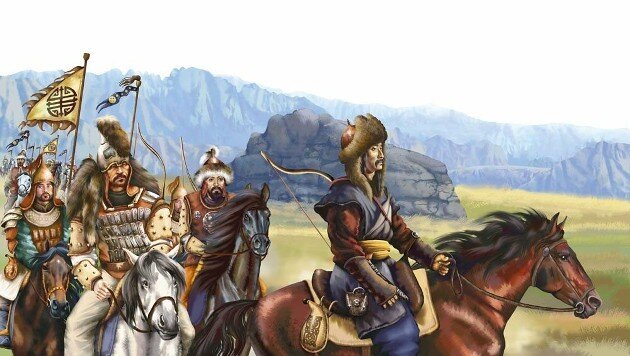
Everyone knows that the Tatars sent Genghis Khan’s father to heaven. After that, in retaliation, they were practically destroyed by the conqueror of the universe. But few people remember the fate of the Merkits, the tribe that was number two on the list of personal enemies of the founder of the Mongol Empire.
The Merkits kidnapped Borte, Temujin’s young wife, whom he only got back a year later when she was pregnant. They supported all his enemies and constantly tried to thwart his efforts to unite the Mongol tribes. They sided with Jamukha when there were almost no independent nomadic clans left. They fled to the west when they could no longer fight, but over the next few decades, they were constantly part of the coalitions that the Mongol Empire declared war on.
What happened to this rebellious tribe?
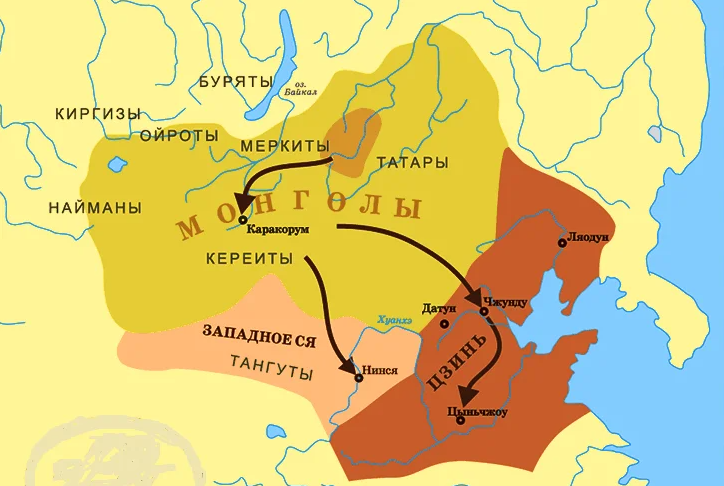
In the 12th and 13th centuries, the Merkits were one of the five largest tribal confederations in Mongolia, along with the Kereits, Naimans, Tatars, Oirats, and Khagans, to which Genghis Khan belonged. Their name is traditionally traced back to a Mongolian word that can mean both “wise men” and “skilled archers.” In any case, it is quite prestigious to be either one or the other.
The origin of this tribal union is traced back to both the Samoyedic and Tungusic-Manchu or Turkic peoples. But in any case, by the High Middle Ages, they had already been completely Mongolized. According to contemporaries, they were closely related to the Naimans, Kereits, and Khitans.
At the time we are interested in, the Merkits consisted of three large daughter tribes, each of which was strong enough to pursue an independent policy. Together, they occupied the Selenga and Orkhon river basins in the south of modern Buryatia and northern Mongolia. In other words, they were more or less surrounded by other Mongolian tribes, slightly west of the Borjigin clan’s lands.
Around 1130-1150, the Merkits were conquered by Khabul Khan, Genghis Khan’s great-grandfather. However, after his death, they regained their independence. However, relations between the neighbors apparently remained very tense. When a young girl named Oelun was betrothed to a noble member of this tribe, she was captured by Yesugei Bagatur. These people became the parents of Temujin.
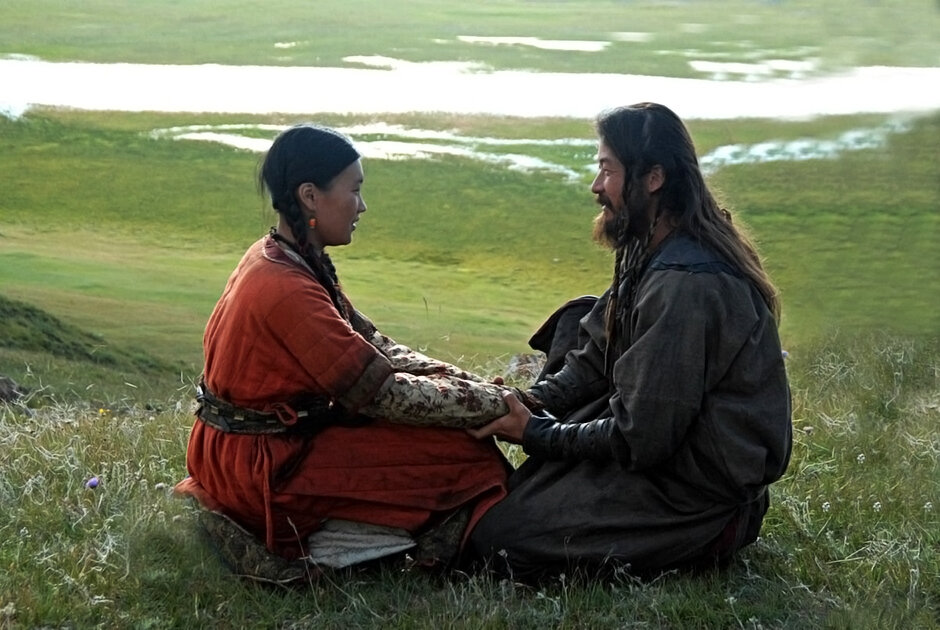
However, the powerful tribe harbored a grudge. And a few decades later, the future founder of the Mongol Empire himself suffered from the same “treachery.” This time, the Merkit tribe took his first and truly beloved wife, Borte, captive. She returned home pregnant, and a coalition formed by her angry husband took revenge for the insult.
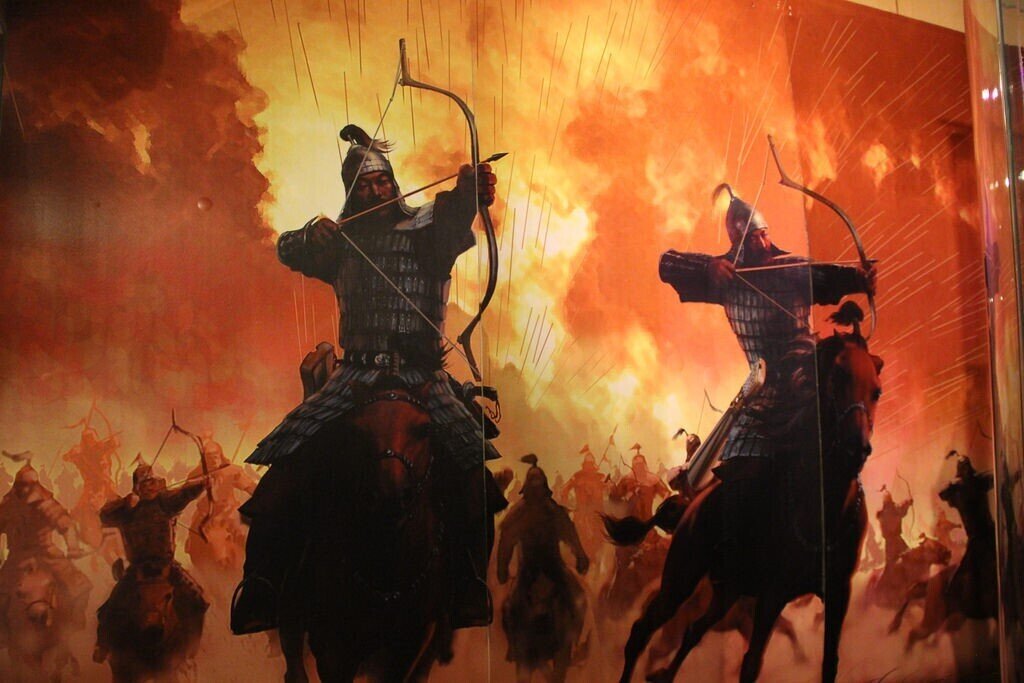
Over the next twenty years, Genghis Khan fought them at least ten times. Moreover, he made his last campaign in 1205, a year before proclaiming himself the Great Khan. Therefore, by the time the unified Mongol state was created, they had almost ceased to exist as an independent force. The remnants joined the tribes that would later become the basis of the Oirats (including the Kalmyks), Buryats, as well as the Kazakhs, Kyrgyz, Nogais, Bashkirs, and other Turkic peoples.
However, the sons of the chief Merkit leader Tokhto-beki and the ruling class of the tribe fled to the west. It was only in 1217 that Subutai-bagtur personally defeated and scattered them in the Chui Valley. This important campaign was his first, when the commander was entrusted with the command of a separate army for the first time. The fact that his neighbors sheltered a tribe hostile to him became a reason for Genghis Khan to attack both the eastern Kipchaks and the Turkic Kangli alliance.
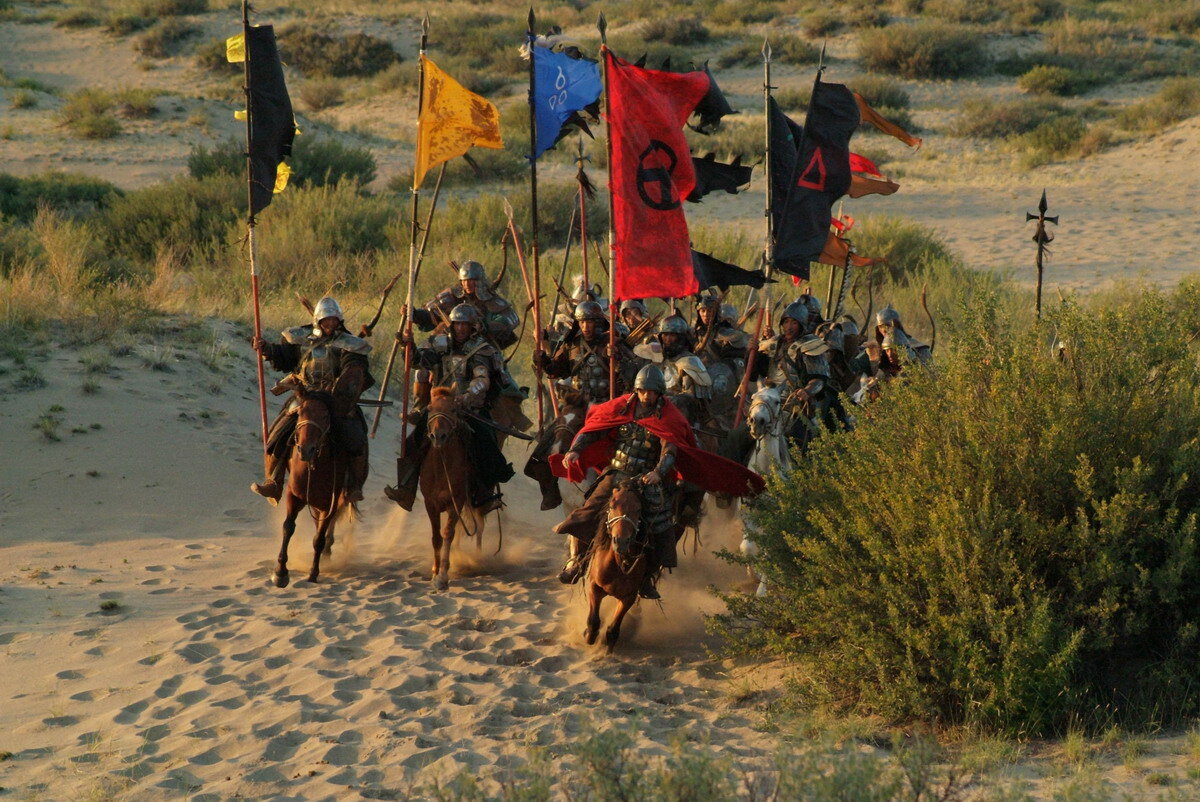
Nevertheless, those Merkits who “…were then in their mothers’ wombs or were hidden with relatives…” subsequently attained important positions in the Mongol Empire. However, they were no longer perceived as a separate people, but were simply considered Mongols.
In addition, some Mongol empresses were Merkit by origin. Among them were Khulan Khatun, Genghis Khan’s second wife; Ugedai’s main wife, Doregene, who became the de facto ruler of the state after his death; and Ogul Qaimish, the wife of Khan Guyuk, who also ruled after her husband’s death.