
In the 10th and 12th centuries, a dynasty arose in the Afghan city of Ghazni, which soon united the entire east of the Islamic world under its rule: Afghanistan itself and huge parts of Pakistan, Iran and Central Asia. The new empire was ruled by the Turks, who were influenced by Persian culture.

What were they famous for?
The Ghaznavids dynasty became the first in world history to assume the title of sultans, i.e. secular rulers independent of the Arab Caliphate centered in Baghdad. The very word «sultan» means «power» and is mentioned in the Koran as one of the honorary epithets of the leader of all Muslims. However, Mahmud Ghaznavi himself and his descendants paid tribute to the Abbasids and did not claim their supreme authority and religious leadership.
During the greatness of this empire, the Persian language and culture flourished throughout the region, despite the fact that the army communicated mainly in the Turkic dialect. Ghazni city became an important educational center around the world, where poets, historians, and scientists like the famous Ferdowsi flocked.
The Ghaznavids may have been ruthless conquerors and very harsh rulers. But no one can deny their contributions to science and art. This is best seen in the example of Mahmoud Ghazni himself. He was the most violent and the most successful of his dynasty in terms of expanding borders.
Nevertheless, he was very dedicated to the cause of progress. For a time, its capital became a city second only to Baghdad in the field of culture. Mahmoud invited poets, intellectuals, scientists and historians from all over the world to his city of Ghazni. He had a dream to make Ghazni the intellectual capital of the Muslim world, and he did everything in his power to achieve this.

People like Firdowsi and Al-Biruni became part of his court. He desperately tried to convince Avicenna to move to Afghanistan, but Avicenna refused him. After the conquest of Ray (a city near modern Tehran) and Isfahan, all the books from them were transferred to Ghazni. Educational institutions for the study of poetry, mathematics, religion and medicine were established there.
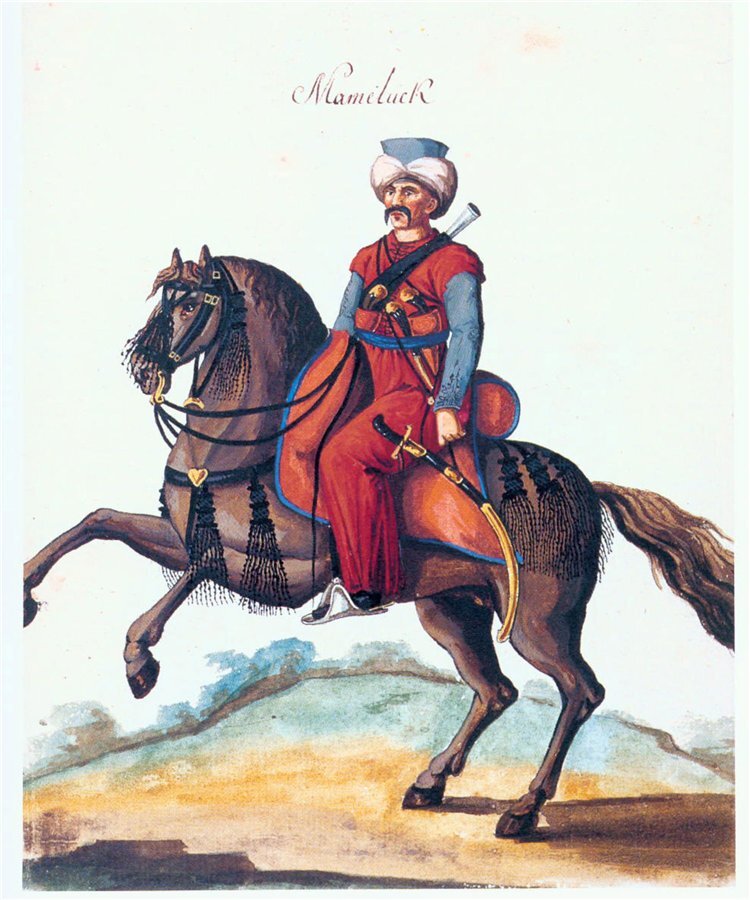
In general, the Ghaznavids will become the founders of a new era in the history of Asia – the time of the rule of the Turkic dynasties, which lasted until the 18th and 19th centuries. Mahmoud Ghazni’s wars will open the way for Islam to India and in the long run will become the basis for the emergence of modern Pakistan, a state of Hindu Muslims. Even if they do not last long in Hindustan, they will be replaced by the Ghurids, the Delhi Mamluks, and then the Timurids.
Despite the fact that the center of the Ghaznavid empire was located in modern Afghanistan, in fact, they have very little relation to this country. They were Turks and led Turks into battle, but they wrote poetry in Persian and addressed God in Arabic.

The state, founded by former nomads, quickly rose to fame, was a resounding success, but collapsed extremely quickly because it did not have a reliable national and ideological basis.
After the Ghaznavids, Afghanistan belonged to many other princes and kings of a different nation and language, but something relatively stable emerged only in the 18th century, after the founding of the Durrani Empire, headed by an Afghan Pashtun.