
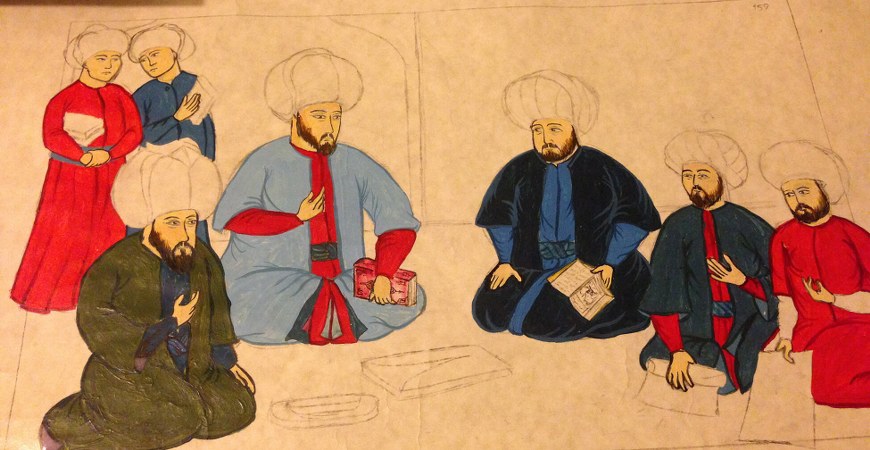
Before the conquest of Constantinople, Ottoman sultans were considered first among equals; they shared a nomadic culture with their subjects and ruled the empire from horseback. Even though they already had harems, in accordance with steppe tradition, women were not isolated from society and enjoyed freedom of movement. At that time, the Ottomans had no need for eunuchs, and they were unfamiliar with such a custom.
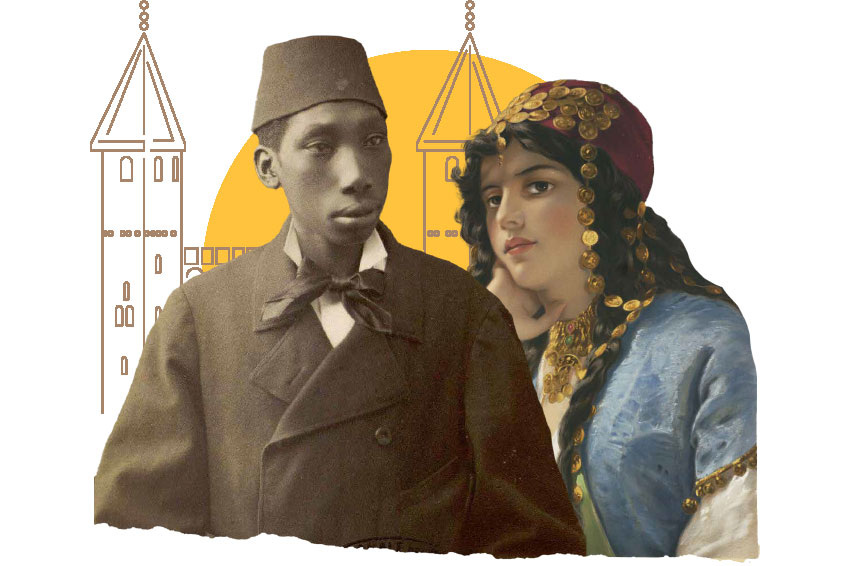
But after the fall of the Second Rome, the sultans became autocratic rulers and adopted Byzantine court etiquette. In addition, their wives and concubines were placed under house arrest in the palace for the first time in Ottoman history, and only then did castrated servants become in demand.
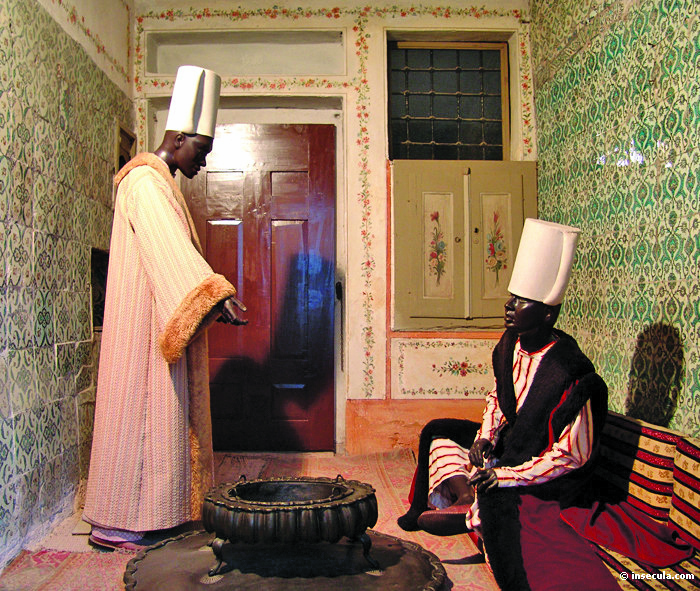
Hundreds and even thousands of black and white eunuchs guarded the sultan’s seraglio and performed many other important functions at court. Gradually, they gained such significant political influence that by the early 18th century, the chief eunuch, the African Besir-aga, appointed and dismissed ministers of the Divan.
In addition to the sultan, private owners could also acquire eunuchs. Not so much for their own harems, but because eunuchs were considered the most loyal servants, and their presence in the house was a sign of the owner’s wealth and high status.
Well, it’s kind of like having your own stables, like British lords do; keeping a “Lamborghini” in the courtyard; or having the trendiest Moscow stylist as your personal hairdresser.
In any case, the sultans and the Ottoman aristocracy needed eunuchs. And they obtained them from two main sources. According to Islamic law, the castration of Muslims and the “People of the Book” living under their protection was strictly forbidden.
Therefore, all eunuchs came to the empire from abroad. And the devshirme system—under which the children of Christian subjects were conscripted to become Janissaries—was never used to obtain them.
Most black eunuchs were from East Africa—modern-day Ethiopia, Eritrea, Somalia, and Sudan. For centuries, Arab traders from Yemen, Oman, and Zanzibar operated there; they sometimes organized their own expeditions to capture slaves, but far more often purchased slaves from local peoples.
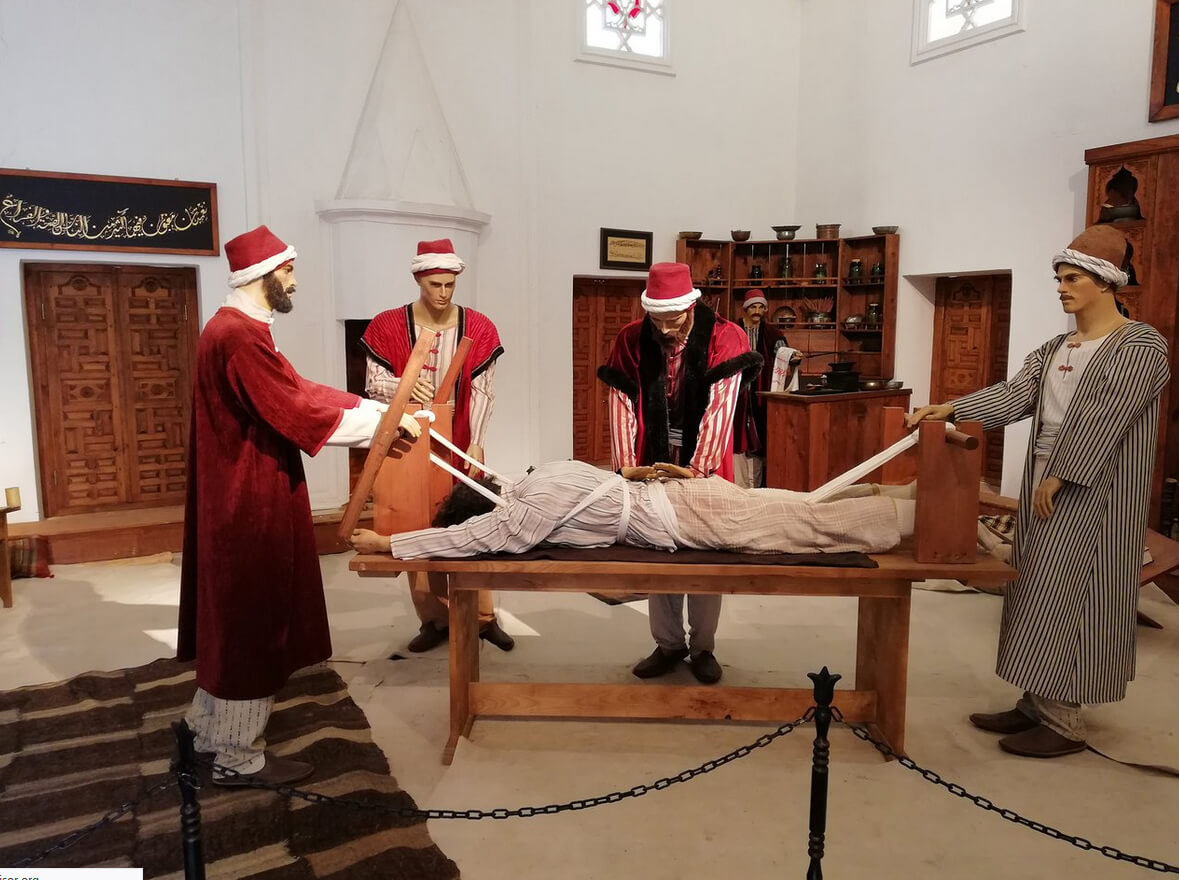
During castration, absolutely everything was removed, and as a result, adult eunuchs had nothing that could arouse a woman’s interest. The procedure was performed without anesthesia, and the “natural attrition” among those who underwent it was so high that eunuchs ready for service were very expensive. This work was carried out by Coptic monks from Upper Egypt, which was considered the far periphery of the empire. Usually, everything took place even beyond its official border.
Later, the surviving Africans became overseers in the sultan’s harem; after receiving an education at the palace school, they taught princes, aristocrats, and Janissaries. If they ended up with private owners, they worked as personal servants. In addition to having no relatives in the Ottoman state, they were unable to have children and were therefore considered the most loyal.
White eunuchs were captured by the regular army or the Crimean Tatars as spoils of war. They came from Central and Eastern Europe, as well as the Caucasus. They held certain court positions and commanded the sultan’s personal guard, but were not allowed access to his odalisques. Therefore, the procedure performed on them was only partial.
Unlike their black counterparts in misfortune, this procedure was performed within the empire itself, since there was simply no clear and permanent border on its northern frontiers. Christian and Jewish merchants among them engaged in this trade as well, since it was not proper for Muslims to do such a thing.
Castration was performed in the premises of the slave-trading corporation or already in the palace. And the price of the “merchandise” included transportation costs, “shrinkage” (i.e., high mortality), and medical expenses.