
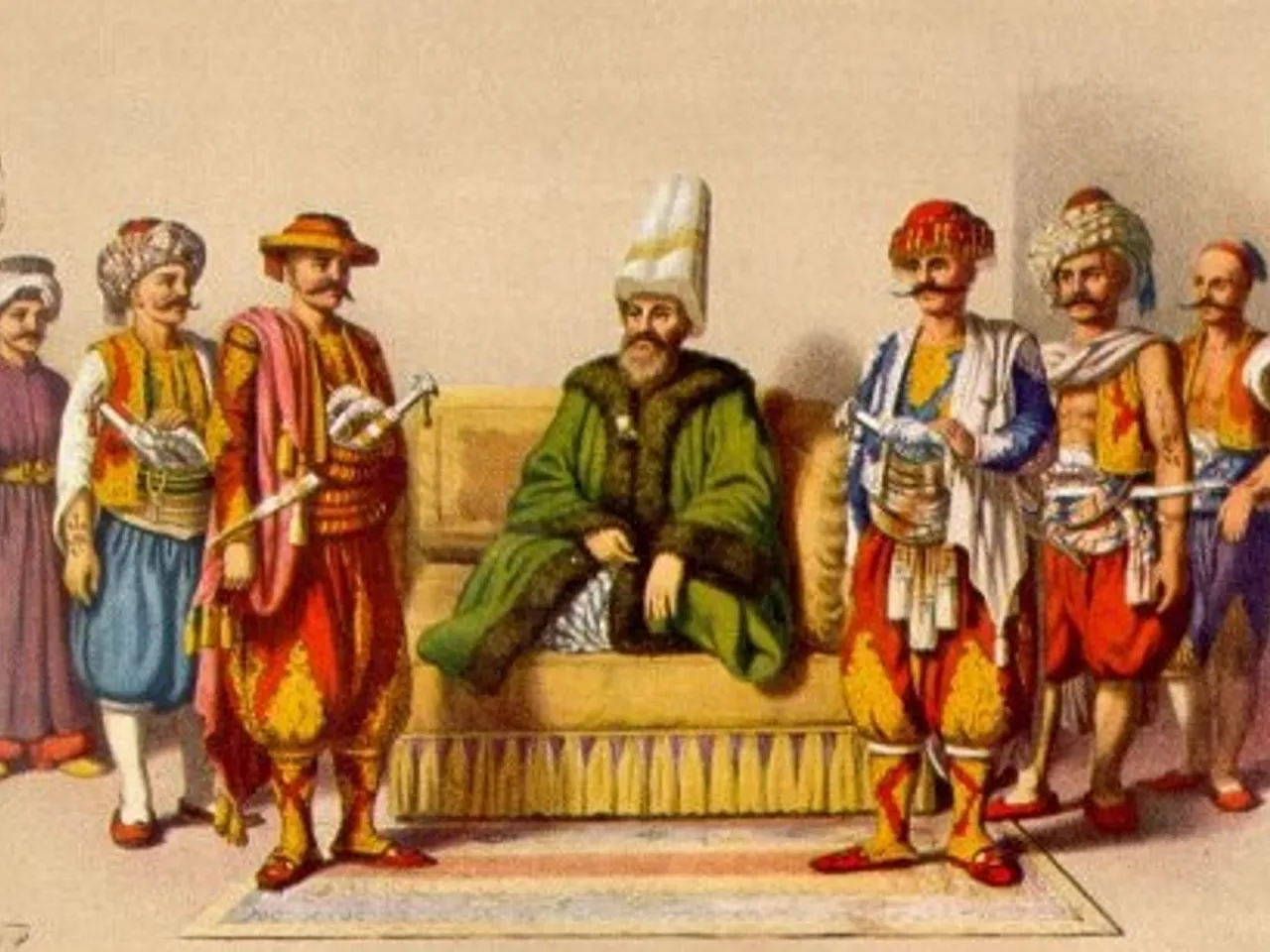
When Genghis Khan’s Mongols first ventured beyond their borders, they turned all of Central Asia upside down. The local tribes that survived and refused to submit were forced to flee. A handful of warriors from the large Oghuz tribe of the Kayi migrated far to the west along with their families. They were led by a man of humble origins named Ertuğrul.

The Ottoman Empire, the beginning. Perhaps at the start of Osman’s reign, its territory was even smaller.
Whether by chance or not, these people found themselves on the same battlefield when their Seljuk kin fought against the Mongols—or the Byzantines; legends differ on this point. They provided whatever assistance they could to their natural allies, and as a result received from Sultan Ala ad-Din Kaykubad I a land grant far to the west, right on the border with the Byzantines.
This small principality later grew into the Ottoman Empire. Tradition holds that Ertuğrul was still a vassal of the supreme ruler of the Seljuks, whereas his son Osman was already an independent monarch. How, then, did this man go down in history?
The problem is that the Ottoman sources themselves, which would speak to the origins of this state and its ruling dynasty, were written after the conquest of Constantinople in 1453. And even those that have survived are copies and copies of copies—and medieval historians invariably added their own embellishments when transcribing the texts. The Greeks did not write about the Eastern barbarians, and Europeans were not interested in this region at the time. Mehmed II, who captured the Byzantine capital, ordered his scribes to do everything possible to glorify his dynasty. Therefore, Osman’s biography is more or less legendary.
The exact date of this man’s birth is unknown. However, according to a later tradition, it occurred in mid-February 1258, on the very day the Mongol armies stormed Baghdad. Fifteen years earlier, the Battle of Köse Dağ had taken place, in which the Seljuks of Rum were defeated by the heirs of Genghis Khan, after which their state was forced to submit.
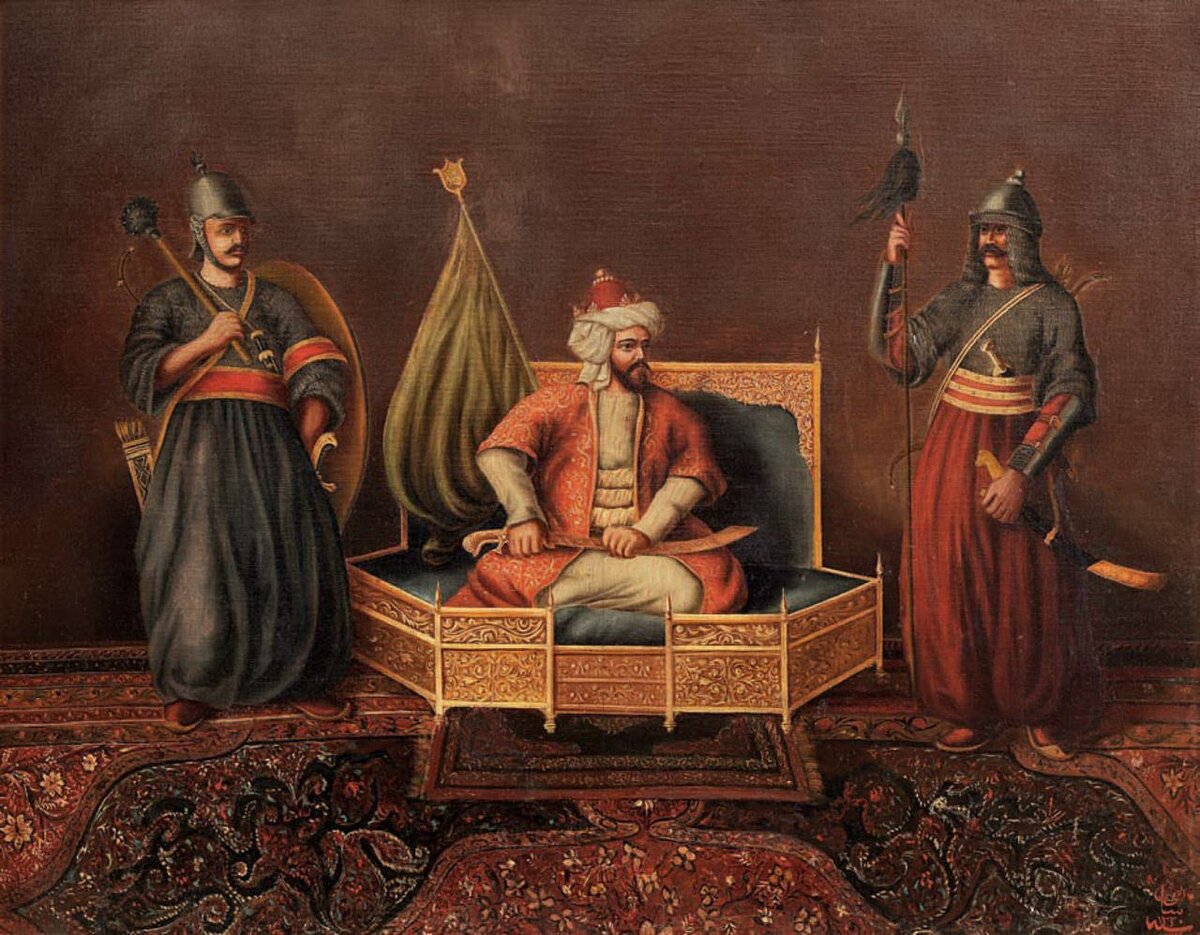
Therefore, neither Ertuğrul nor his successor Osman were in the least bit independent—they paid tribute to both their sultan and the Great Khan of the Mongols for the next several decades. Apparently, even Orhan, Osman’s son and successor (who ruled from 1324 to 1362), initially maintained vassalage to the Mongols. At least until 1335, when their power over the Middle East collapsed.
At that time (and for centuries afterward), the Turks lacked a clear system of succession. Therefore, even while his elderly father was still alive, Osman had to fight his uncle, who also claimed the throne. And he prevailed by offering his supporters a reasonable choice: maintain peace or grow wealthy by raiding Byzantine territories. While there had previously been an armed neutrality with the Greeks, a protracted confrontation began from that moment on.
And the political situation of Osman’s principality was precarious. To the south lay the hostile Germiyan Beylik. A strategy was then adopted to avoid conflict with Turkic neighbors in order to expand territory at the expense of Christians. The young ruler made the wise decision to marry the daughter of the sheikh of the dervishes, who ensured a steady influx of warriors into his ranks.
Nevertheless, the first military clash involving our hero showed that his own forces were still exceptionally small. His father had somewhere between 340 and 500 warriors, but in Osman’s first battle, only 120 men fought on his side. And he was not yet the leader of all the Turks who were trying to make a living by raiding the Byzantine border.
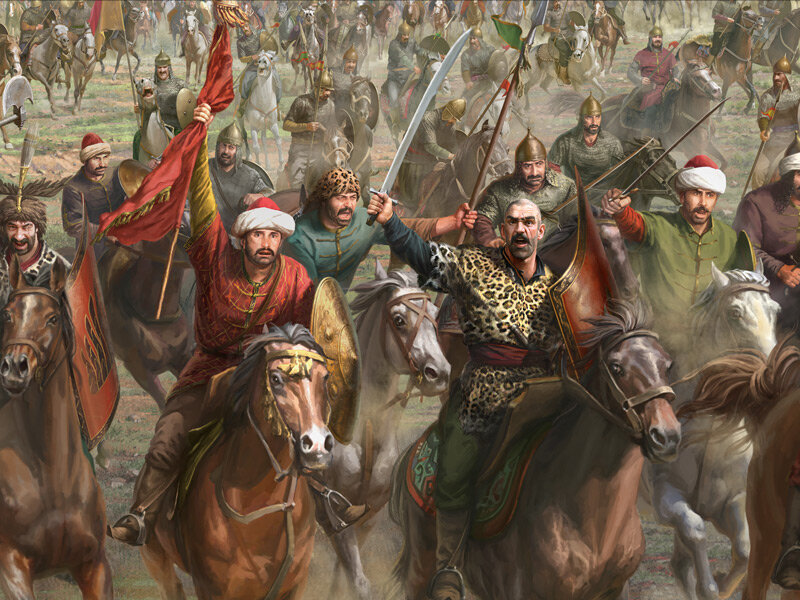
In the early 14th century, the emir captured several small Greek towns, but he lacked the strength for anything more. But suddenly, nature itself came to the Ottomans’ aid—the Sangarius River, which formed the border, changed its course after heavy rain. The Greeks’ numerous fortifications proved useless, and they were left with only the coastal fortresses. Asia was abandoned by them, and abandoned forever.
Osman showed political wisdom and did not oppress his new Christian subjects. Muslims, too, migrated to him, drawn by his wealth and fame. The first capital, the city of Seğit, was strategically located on the road between Konya and Constantinople. Thus, the principality grew richer and richer. In the original provinces of the Ottoman Empire, Greeks constituted the ethnic majority even into the 20th century.

In 1302, Constantinople finally took notice of what was happening to its east. A powerful army was dispatched, and the Turkic chieftains were forced to unite. Osman emerged as their leader, and only then did he become the sole ruler of the ghazi warriors who were plundering the Greek province of Bithynia. He won the Battle of Vafia, but later lost to the Catalans, who were Byzantine mercenaries. Only a mutiny in the enemy camp saved him from military defeat.
In the 1320s, Osman laid siege to Bursa—the ancient Greek city of Prusa. It was the most significant center in the region, a capital among capitals, compared to the cities he had conquered earlier. Bursa fell after his death and became the residence of his son Orhan. He, too, did not impose new taxes and respected Christians—local residents recalled with regret the times when they were ruled by a Byzantine official.
The Hulaguids promised their allies, the emperors of Constantinople, to send an army of 40,000 men against Osman, but they themselves became mired in numerous internal strife. Therefore, the beylik grew stronger and survived, and when the opportunity arose, it began to carry out conquests in Europe. But that was already under subsequent rulers.