
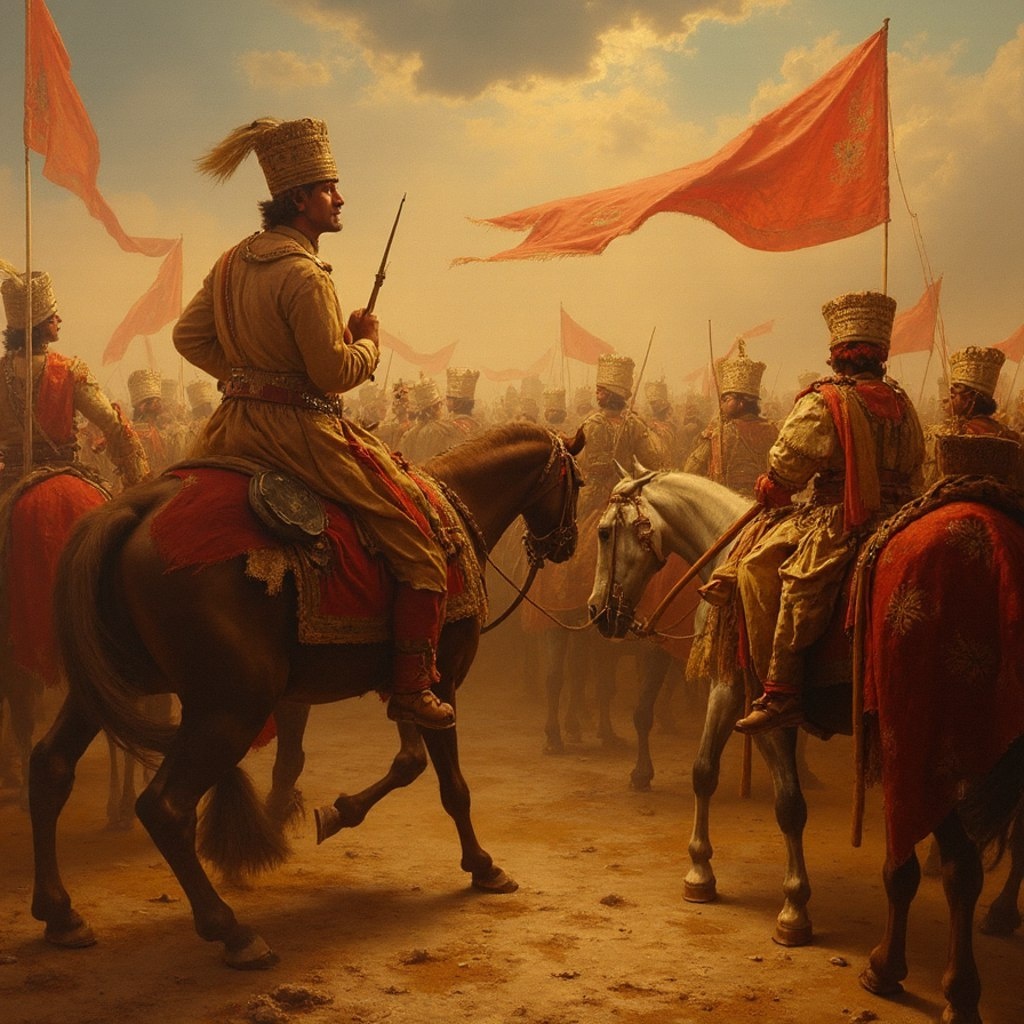
Turkey is one of the most ancient states, and its history is connected with other civilizations that influenced the formation of the people of this country, the Turks. The Turkish nation’s past is filled with vivid events and many mysteries that historians struggle with to this day. Today it seems to us that Turkic tribes have always lived in Turkey, but this is not the case.
These lands once belonged to Armenians, Greeks, Jews and Assyrians. The Turks appeared in these places much later, and the people themselves went through a long and difficult process of formation. But when did the Turks appear? And how did they manage to conquer the territories that have become their state today?
The emergence of Turkic tribes in Asia Minor
The territory of Asia Minor, long before the appearance of the Turkic tribes, was a land filled with a wide variety of nationalities. The diverse ethnic composition further affected the culture of Turkey, which was formed under the influence of various civilizations. A thousand years before the advent of our era, the Greeks began to dominate the region. During the period of Greek colonization, the local tribes living in Asia Minor were Hellenized.
In the 11th century, the time of the Turkic conquests began. These tribes come from the northwest, and their main competitors in the development of new lands are the Pechenegs. The Oghuz-Turkmen tribes were among the first to come to Turkey, and the Kynyk people played a major role in shaping the future of the Turkish ethnic group.
The Seljuk clan became the rulers of the conquered lands. In 1071, the conquerors managed to strike at Byzantium, after which the Seljuks gained dominance over the entire territory of modern Turkey. The Oghuz Turkic communities are beginning to actively settle in new directions, moving north from their former territories.
Since most of their representatives were engaged in cattle breeding, the nomads had to constantly look for pastures for their animals, changing their places of settlement. However, the tribes gradually disintegrated, some of them settled.
Researcher M.H.Yynanch notes in his works that archaeological discoveries have shown that the Oghuz Turks did not advance into the mountains, but, first of all, advanced across the plains. This is what allowed them to occupy the entire Anatolian Plateau quickly and in a relatively short time. Later, the Turks were already reaching the shores of the Black Sea, gradually mixing with the local tribes.
The Age of Conquest
Historians consider the beginning of the Turkification of the indigenous population of Asia Minor to be the time of the XI-XII centuries. What was it related to? In my opinion, the reason was a change in lifestyle. The Oghuz nomads were forced to settle on the plains, creating small settlements or becoming part of local communities.
Since many indigenous tribes already professed Islam at that time, there is a noticeable influence on the Turkic culture. At that time, it was still at the stage of its formation, and therefore accepts the influence of other nationalities. That is why Turkey today resembles a kind of mixture of Eastern and European cultures.

Beyliks of Asia Minor in the 14th century / ru.wikipedia.org
Already in the 14th century, several dozen beyliks appeared in Anatolia — Turkish state formations. Their official language was Turkish (unlike the Seljuk cities, where Persian was used). Amazingly, the Turks didn’t just manage to conquer new lands — they made them their own.
The former settlers, most of whom were Greeks and Armenians, were driven out of Anatolia. However, the process of formation of the Turkish people was long and difficult. As the famous Russian Turkologist N.A.Baskakov argued, Turks as a separate nationality can be spoken about only since the second half of the 13th century.
The main version is considered to be the origin of the Turks from two branches — nomadic Turkic tribes and the local population of Asia Minor. If you look at the Encyclopedia of Brockhaus and Efron, you can note the fact of the complex ethnic formation of Turks. He points out the following:
“In Europe, today’s Turks are mostly descendants of Greek, Bulgarian, Serbian and Albanian renegades or descended from marriages of Turks with women from these tribes or with natives of the Caucasus.”

Turkish woman, between 1880 and 1900.
The Ottoman Empire and the Rise of the Turks
One of the most striking periods of Turkish history was the Ottoman era. In 1299, on the outskirts of the Seljuk khaganate, a young bey Osman received one of the appanages. It was this man who was destined to play a significant role in uniting the Turkish tribes.
Osman I made every effort to build a truly independent state. I want to note that he managed to realize his plans more than successfully. The policy of strengthening his own lands and gradually moving forward turned Osman into a powerful ruler.
Lord Kinross in his book The Rise and Fall of the Ottoman Empire That’s how I wrote about him:
“Osman’s historical role was as a tribal leader who rallied the people around him.”
And this was only the first step, which subsequent generations tried to successfully continue.

Turkish Bashi-Bazookas
Like any strong power, the Ottoman Empire had to constantly be ready for confrontation with equally influential neighbors and rivals for supremacy in certain lands. The main opponents of the Turks were the Russians, who had been fighting for the Crimean Peninsula for a long time. The confrontation ended in 1783 with the victory of Russia.
A series of defeats in wars (especially the First World War) became fatal for the Turkish people. The winning countries begin dividing the regions of Turkey. The French, Greeks, and Italians received lands that had previously been part of the defeated Ottoman Empire. And if before the Turks owned vast territories, now they have only a small piece of land left — from Ankara to the Black Sea.

Mehmed VI — The 36th and last Sultan of the Ottoman Empire, 115th Caliph of Islam
However, the difficult and difficult liberation struggle led by Mustafa Kemal became the revival of Turkey’s independence. According to historians, the national liberation struggle of the Turks, which unfolded in 1918-1923, became the final stage in the formation of the people. Today, the population of Turkey is a cohesive ethnic group that has managed to go through difficulties and troubles.