

In the popular TV series «The Magnificent Century,» Sultan Suleiman the Magnificent literally demonstrates one of the mysteries of the Ottoman court: after Halvet, most concubines were immediately sent to their chambers with the phrase «You can go!», and only Hurrem had the right to stay with him until morning, and sometimes even have breakfast. But this practice was not unique to Suleiman — it is a centuries-old tradition of the Ottoman Palace. No padishah spent the whole night with all his concubines, exceptions were made only for women who gave birth to heirs whose loyalty was beyond doubt.

The main reason was much more prosaic than romantic fantasies.: fear for your own life. In the 15th century, during the reign of Mehmed the Conqueror, one of the concubines tried to kill the sultan immediately after entering his chambers. Since then, the padishahs refused night visits to concubines — the danger of an attack in a vulnerable state was too great. The captured and brought women could be stimulated by their former families or influential aristocrats, so the sultan was constantly on guard.
Besides security, it was an instrument of political control. Concubines and their relatives were not supposed to have any influence on state affairs. To do this, foreign women, not Turks, were recruited into the harem; the spouses did not become legitimate wives; after the birth of heirs, they were often sent away. Loving feelings for one woman could endanger the sultan’s power, and the removal ensured maximum loyalty of the remaining women and a continuous stream of heirs.
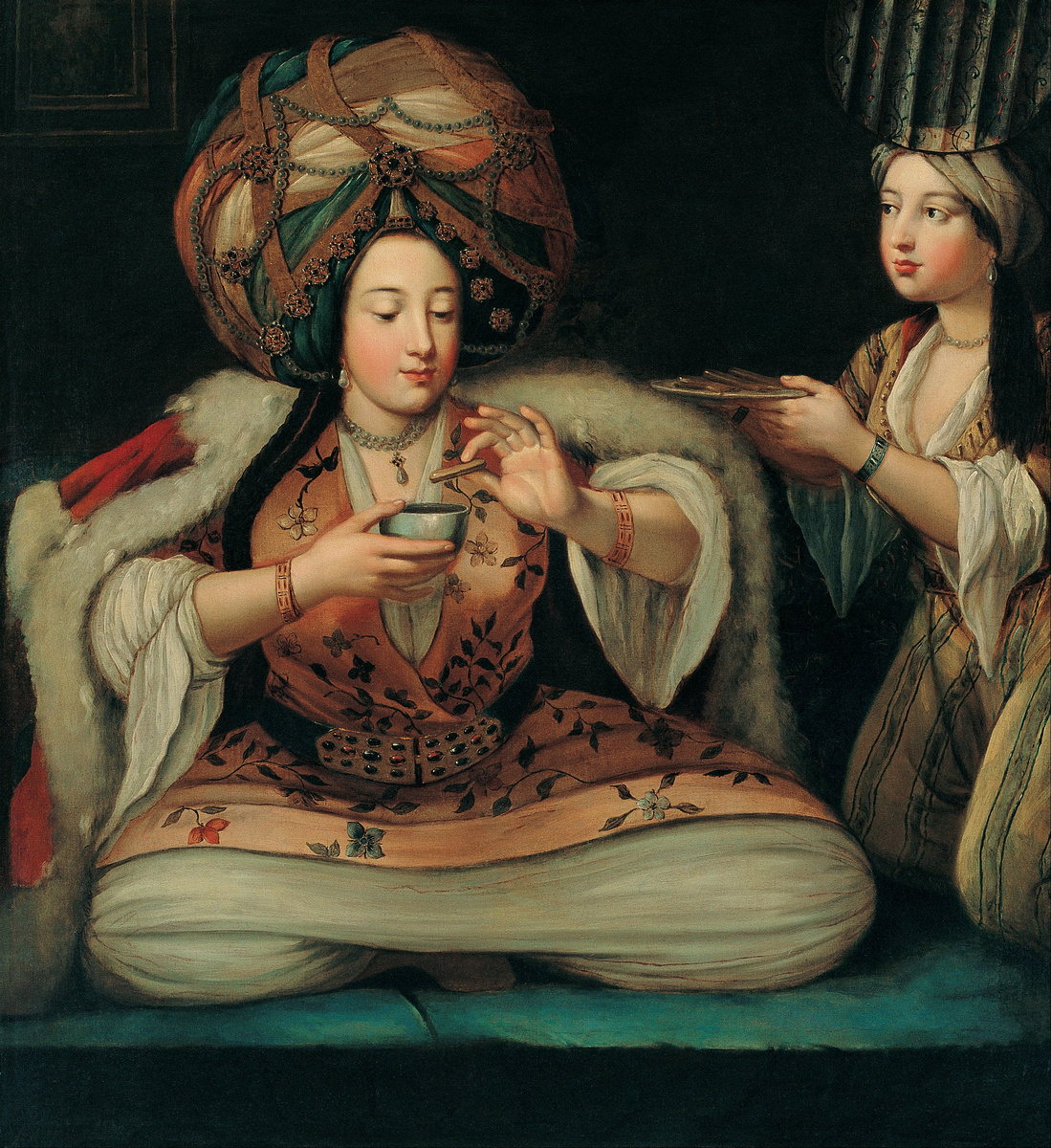
Superstitions and religious beliefs played no less a role. It was believed that a person was vulnerable at night: a sleepy person could be corrupted or his soul stolen, and the sultan’s sleep was perceived as the time between life and death. Therefore, many padishahs avoided nighttime contact with concubines in order to protect themselves from magical or insidious actions.
Physical and household logistics were also an important factor. The sultan and the concubines wore elaborate and lavish clothes; servants of the same sex served them in the morning; sleeping together would violate decency and open intimate moments to outsiders. Moreover, sultans often spent the morning and afternoon in state affairs right from their beds, receiving guests and giving orders, so personal proximity interfered with the performance of duties.
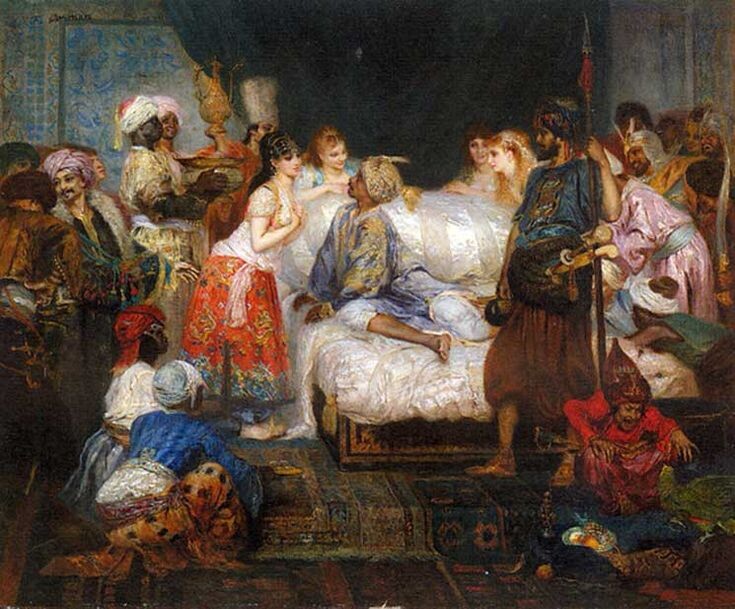
Finally, the harsh climatic conditions of the Topkapi Palace were not conducive to spending nights together: it was cold in winter, colds and illnesses were frequent, and there were no modern treatments. All these reasons — fear, politics, superstition, everyday realities —have made nighttime proximity with concubines the exception rather than the rule. Even love and human feelings gave way to traditions, security and state necessity.
Thus, the sultans’ habit of avoiding nights with concubines was not a whim, but a carefully calibrated state tradition — a combination of pragmatism, superstition and strict Ottoman ethics of power.
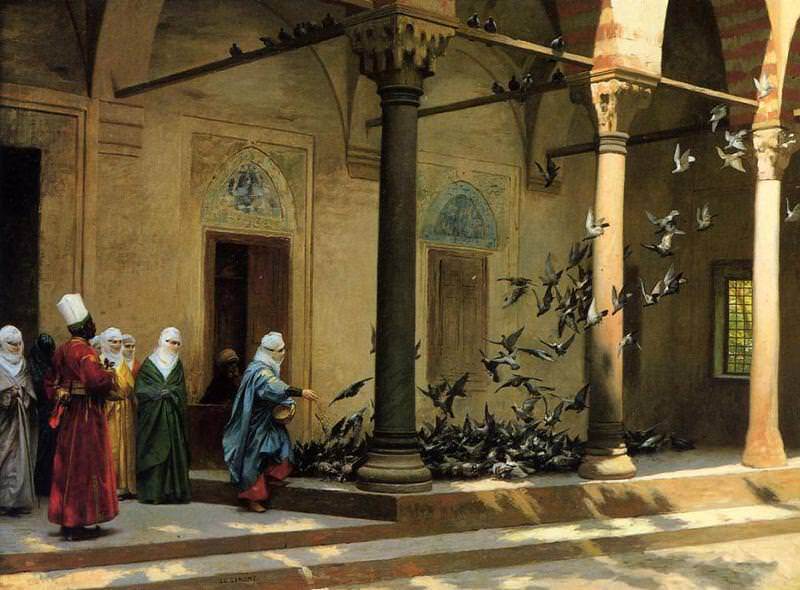
Concubines, whether conquered, donated, or brought from distant lands, remained an instrument of political and social strategy, and the sultan, even the greatest of the padishahs, always had to remember: the security of the state begins with personal caution.