
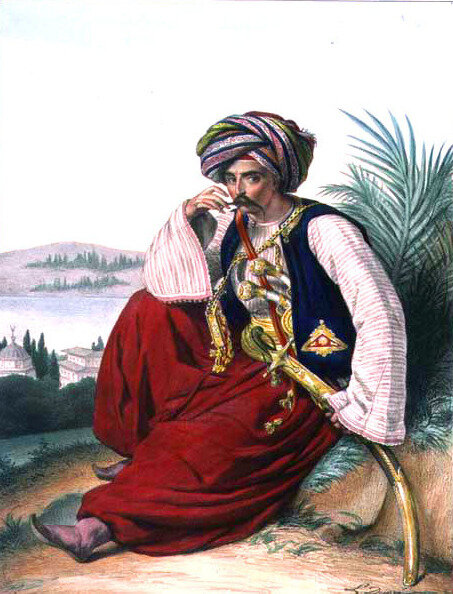
In the Ottoman Empire, the burial process was steeped in symbolism and religious traditions.
The deceased, whether a sultan or a commoner, was laid to rest after the imam recited the janaza-namaz—the funeral prayer. According to Sharia law, the use of coffins is prohibited, so the body was placed on a tobut (funeral bier).
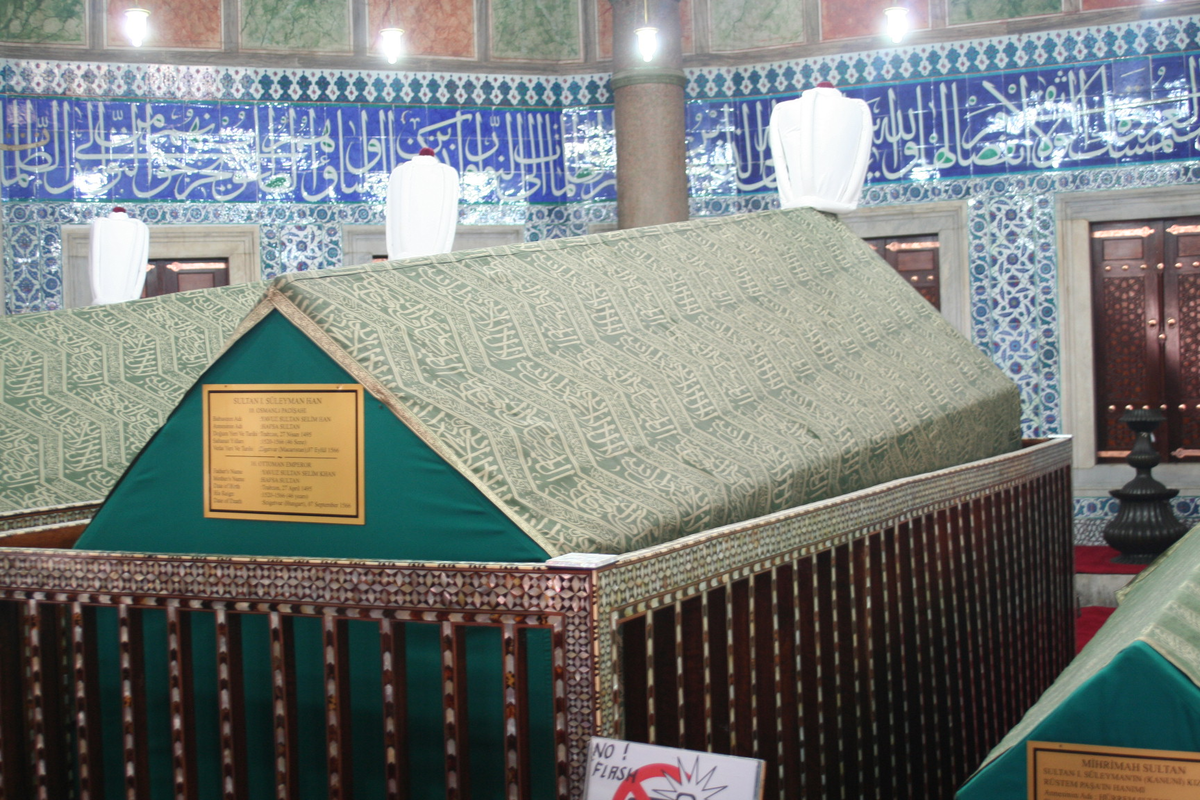
The tomb of Suleiman I at the Suleymaniye Mosque cemetery
There is a legend about Sultan Suleiman the Magnificent, who left unusual instructions regarding his funeral. He ordered that his tobut be carried by the best doctors of the Ottoman Empire, that gold coins be scattered along the procession route, and that his hands remain visible from the tobut. These gestures had deep meaning: the doctors were meant to symbolize the powerlessness of medicine in the face of death; the scattered coins served as a reminder that one cannot take wealth with them to the grave; and the open hands demonstrated that even a great ruler leaves this life empty-handed.
After the ceremony, the tobut was lowered into the grave and covered with earth. The height of the burial mound depended on the terrain; in Istanbul, it usually did not exceed four fingers. All Muslim graves face southwest, toward the holy city of Mecca. The tombstones bore brief information about the deceased, and sometimes included light-hearted verses and amusing epitaphs.
Although Sharia law does not encourage the construction of above-ground structures, magnificent marble türbes (mausoleums) were built in the Ottoman Empire, especially in Istanbul, for sultans, high-ranking officials, and local saints.
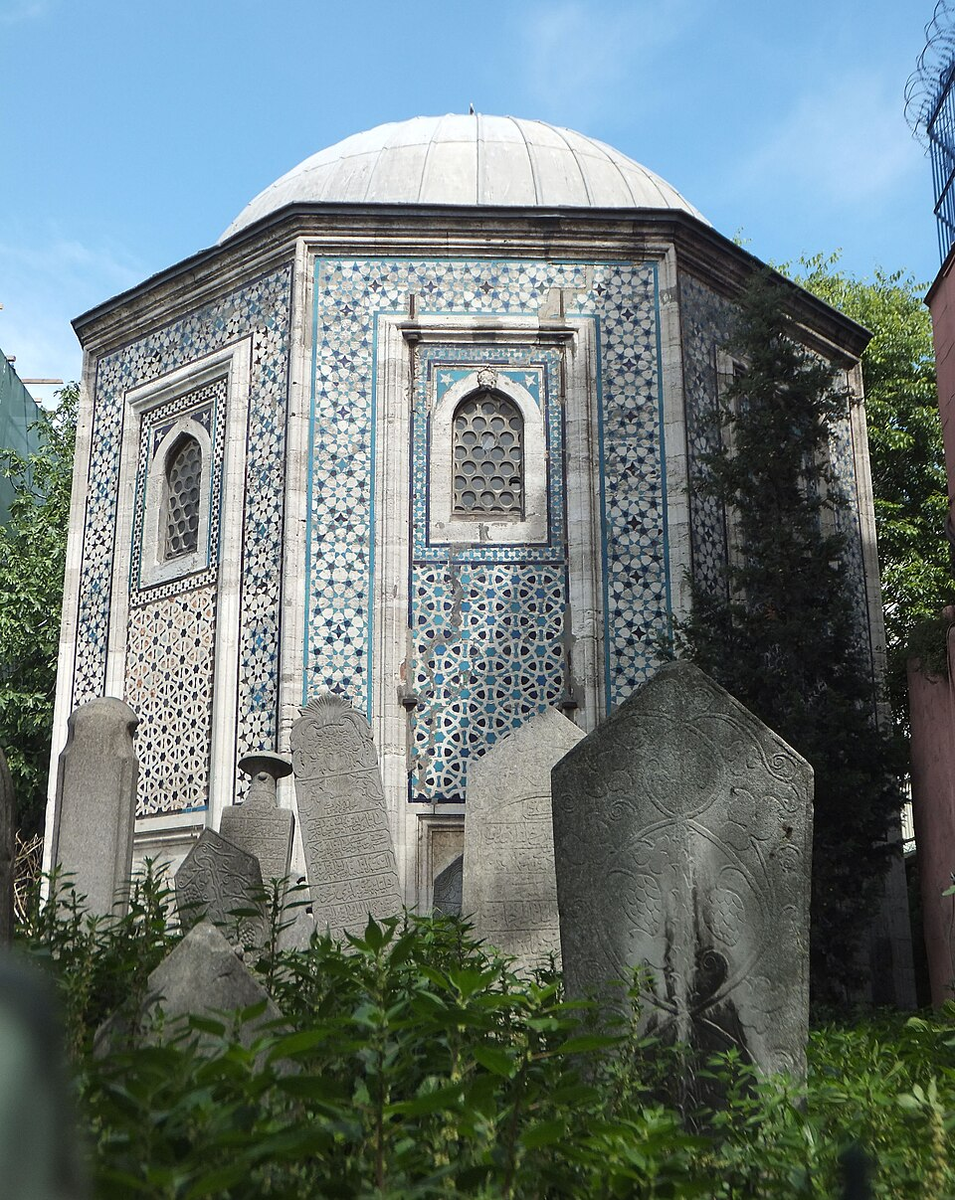
Mahmud Pasha’s Turbe behind the mosque
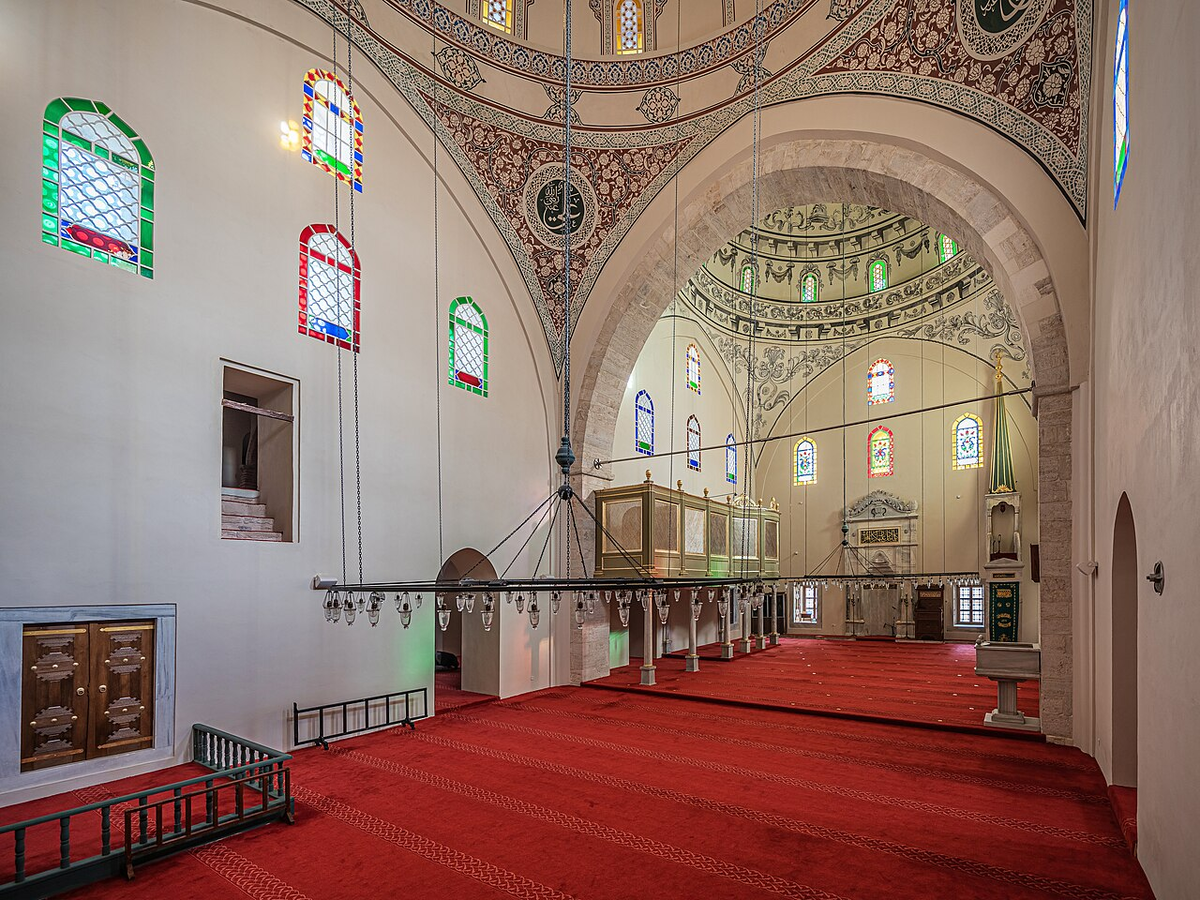
Interior of Mahmud Pasha Mosque
One of the most beautiful is Mahmud Pasha’s turbe in Eminönü. Mahmud Pasha, a Byzantine aristocrat who converted to Islam, was the grand vizier of Sultan Mehmed II. He served faithfully for 20 years but fell out of favor due to the animosity of the heir to the throne, Mustafa. After Mustafa’s death, Mehmed II ordered Mahmud Pasha’s execution, suspecting him of conspiracy. Despite his tragic end, the sultan paid tribute to the vizier’s merits by declaring a period of mourning and erecting a magnificent mausoleum in his honor.