
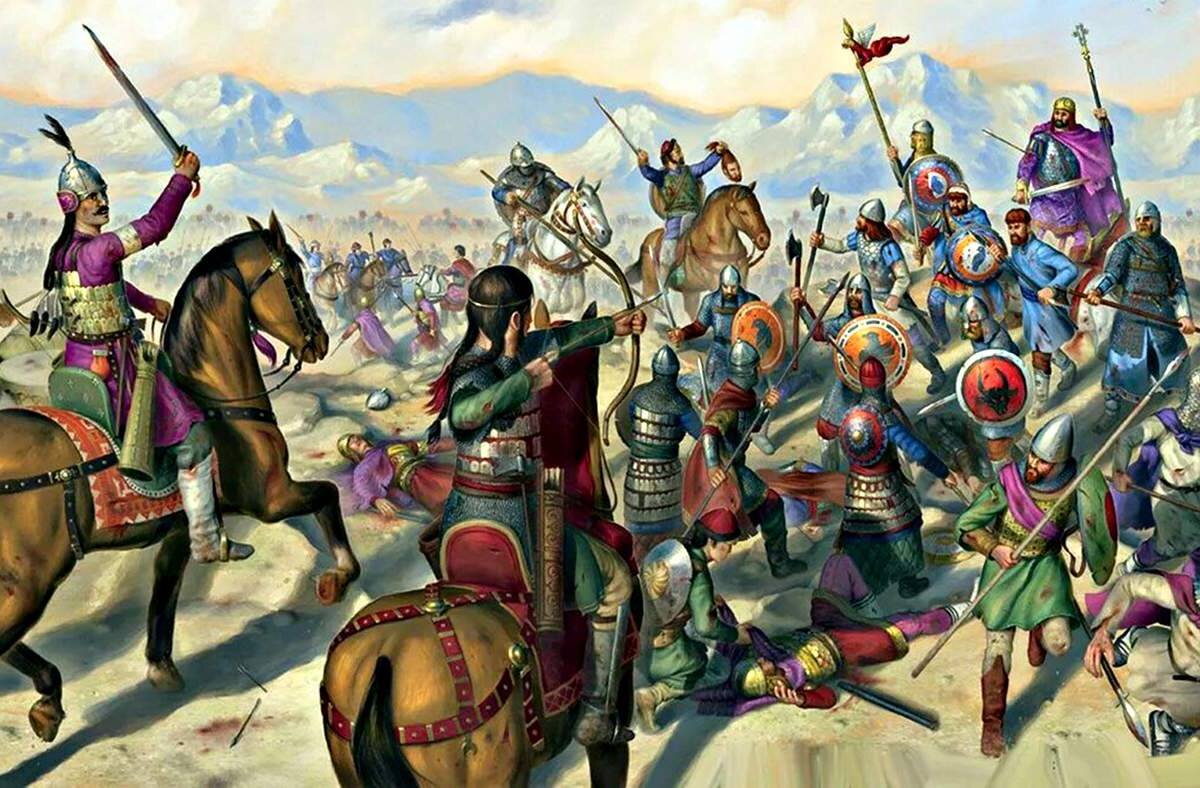
Ancestral homeland of the Xiongnu
The origin of the Xiongnu as an ethnic group, which became a political name for the union of nomadic tribes of East Asia of different origins, still causes controversy among scholars.
The most widely accepted version is that the Xiongnu came from the same places as the ancestors of modern Chinese people — the lowlands between the Yellow River and the Yangtze River.
In the second millennium BC, this was a swampy lowland where the ancestors of modern Chinese people lived, trying to drain at least a small piece of land in order to plant something edible. At the same time, the ancestors of the Xiongnu decided not to do this and moved to the steppes of modern northern China, where they actively engaged in cattle breeding under the name Hunyu. Therefore, the Hunyu did not participate in the fierce struggle that took place between the red-haired inhabitants of the mountain gorges of Zhongdi and the black-haired ancestors of the Chinese, who united in 1764 under the rule of the unified Shang-Yin dynasty. On the contrary, the Hunyu were intermediaries in trade between the ancestors of the Chinese and the peoples of Siberia, from where jade, furs, and slaves were sent to the Celestial Empire, and metal, tin, and bronze were sent back.
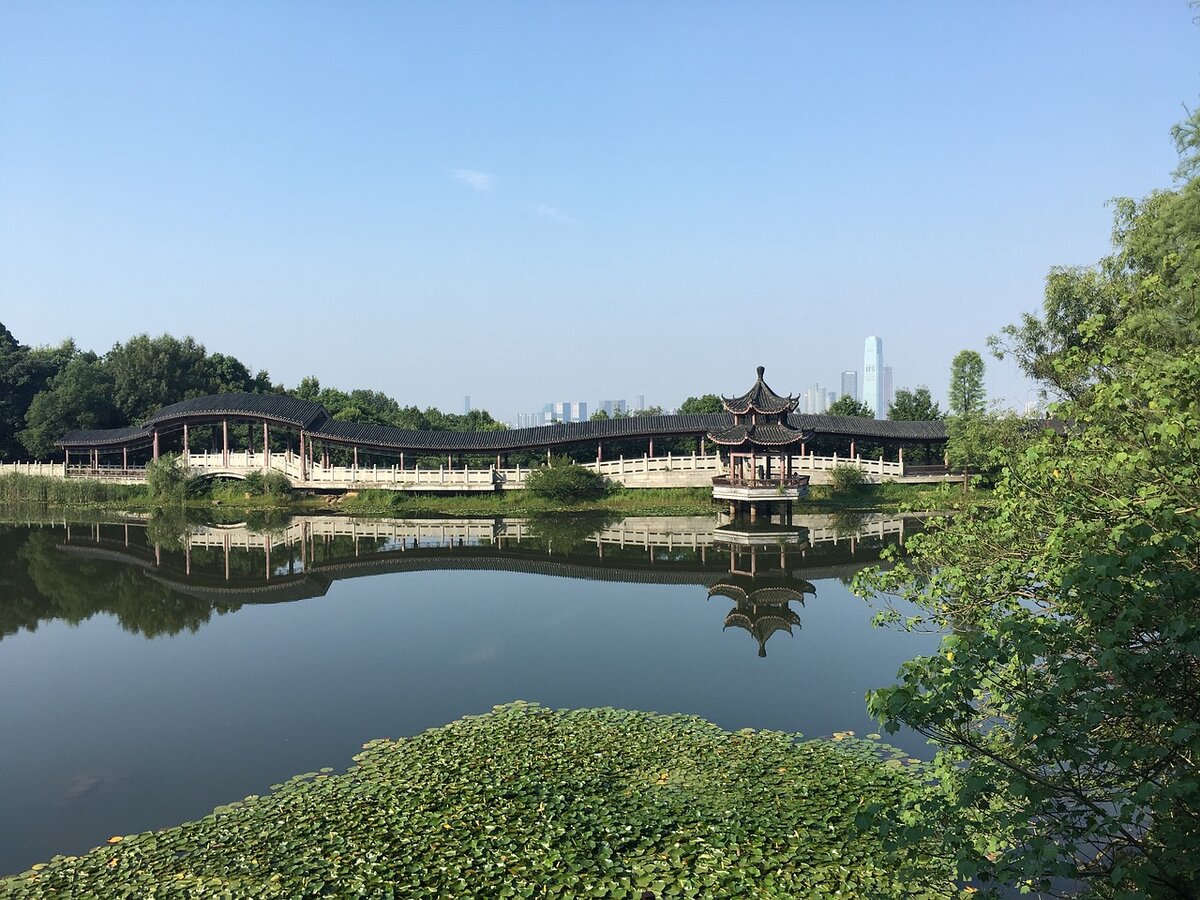
The beginning of the Xiongnu
In battles with the Zhuns, the border Chinese principality of Zhou stood out, which until the 11th century restrained their expansion to the east.
But then the Zhuns began to defeat and push Zhou to the east. They were forced to conquer the depths of the Chinese plains. There, the fierce border guards easily defeated the local peasant militias and seized power over almost the entire Celestial Empire, overthrowing the Shang-Yin dynasty around 1045.
As always, representatives of the overthrown dynasty fled to the Huns. The process of migration of the defeated from China to the “sandy land of Shasai” began long before the conquest of Zhou. Both commoners and aristocrats fled to the Hunyuans as early as the third millennium BC, escaping persecution and seeking a better life.
Thus, the Mongoloid Chinese began to mix with the Caucasian Huns. The process of merging the two ethnic substrates most likely ended in the 11th century, forming the Prahun ethnic group.
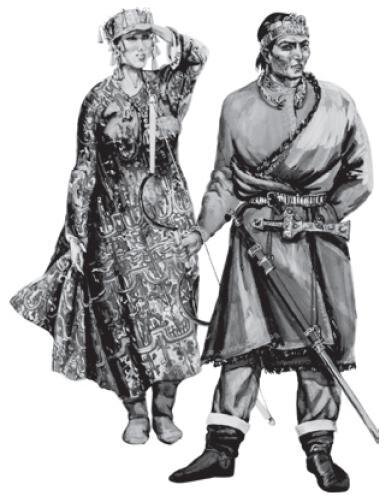
Xiongnu. Reconstruction by M.V. Gorelik
The Zhongnu
The Zhongnu inhabited a vast (but narrow) territory of mountain spurs from modern Xinjiang to Hinggan. They were numerous but unorganized tribes who lived by hunting, gathering, or simply plundering.
The Zhunny and their relatives, the Di, actively mixed with the Prahuns, Chinese, and Donghu (ancestors of the Mongols).
The Zhun-Di themselves were phenotypically similar to the modern Ainu.
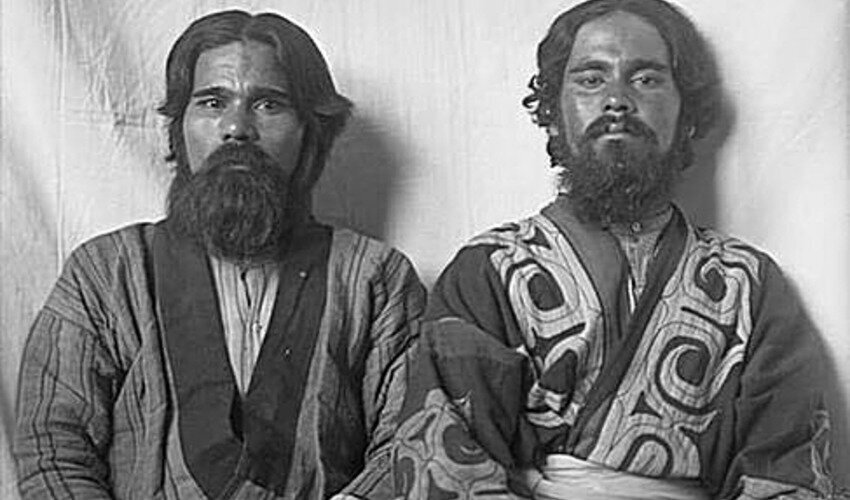
Ainu
The Zhou Principality
The Zhou, having conquered China, actively took up the management of the country, introducing coinage, religious rituals (replacing human sacrifices with the cult of Heaven and Earth), administrative management, and developing metallurgy.
At the same time, the Zhou themselves were only nominal rulers of all of China. The core of their army consisted of former border commanders who were of mixed Chinese and Zhong-Di descent. The Zhou dynasty’s power was based on their swords, and they were effectively autocratic rulers in the fiefdoms allocated to them after the conquest of the country.
Therefore, by the end of the 11th century, China was effectively divided into 1,855 principalities, which were only formally subordinate to the supreme dynasty. These principalities immediately began fighting among themselves, and in the end, their number decreased significantly. The struggle was due to the fact that irrigation works, as the basis of the country’s prosperity, required the consolidation of all labor resources in one hand. The more peasants you have, the more agricultural land you can drain. This means that you will not go hungry yourself and will not force your subjects to starve.