
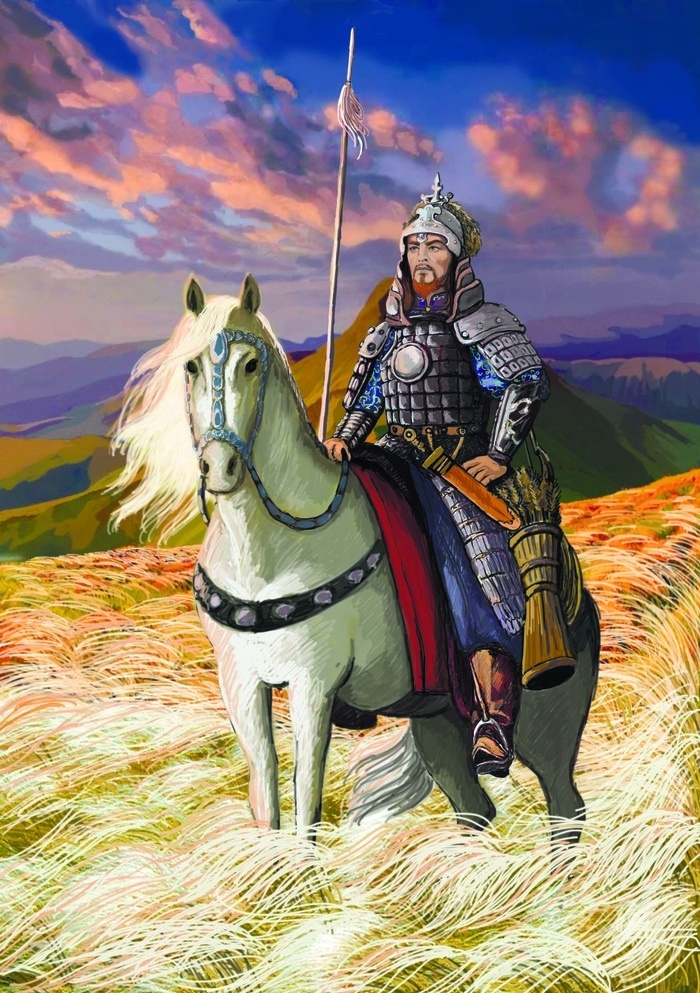
Among the peoples of the Eurasian steppes of Turkic-Mongol origin, power was never passed down according to the simple formula of “father–son–grandson” familiar to Europeans. Their political culture operated on a completely different principle: the one whom the people are willing to follow must rule. That is precisely why each new khan was formally elected at a kurultai—a gathering of the nobility and military leaders. In practice, however, such “elections” often turned into either a complex political game or a full-scale civil war. Even states that eventually became more sedentary and centralized, such as the Timurid Empire or the Ottoman Empire, were unable to abandon this tradition for a long time and introduce a strict system of succession.
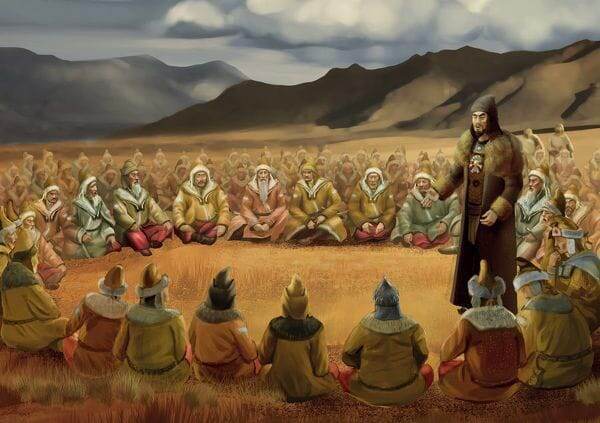
For this reason, in the state known as the Golden Horde, the throne passed in a rather peculiar manner. The throne could be occupied in turn by brothers, uncles, nephews, or cousins. From the perspective of steppe tradition, there was nothing strange about this: it was believed that the heir received the deceased ruler’s property, but not his power. Power itself had to be earned by the strongest and most influential.
When the powerful ruler of the Horde, Batu Khan, died in 1256, it came as no surprise to his contemporaries. Unlike his formidable ancestors, including Genghis Khan himself, Batu was better known as a diplomat and politician than as a military leader. Sources even noted his poor health and unusual appearance—the future Great Khan Güyük Khan once mockingly called him “a woman with a beard.”
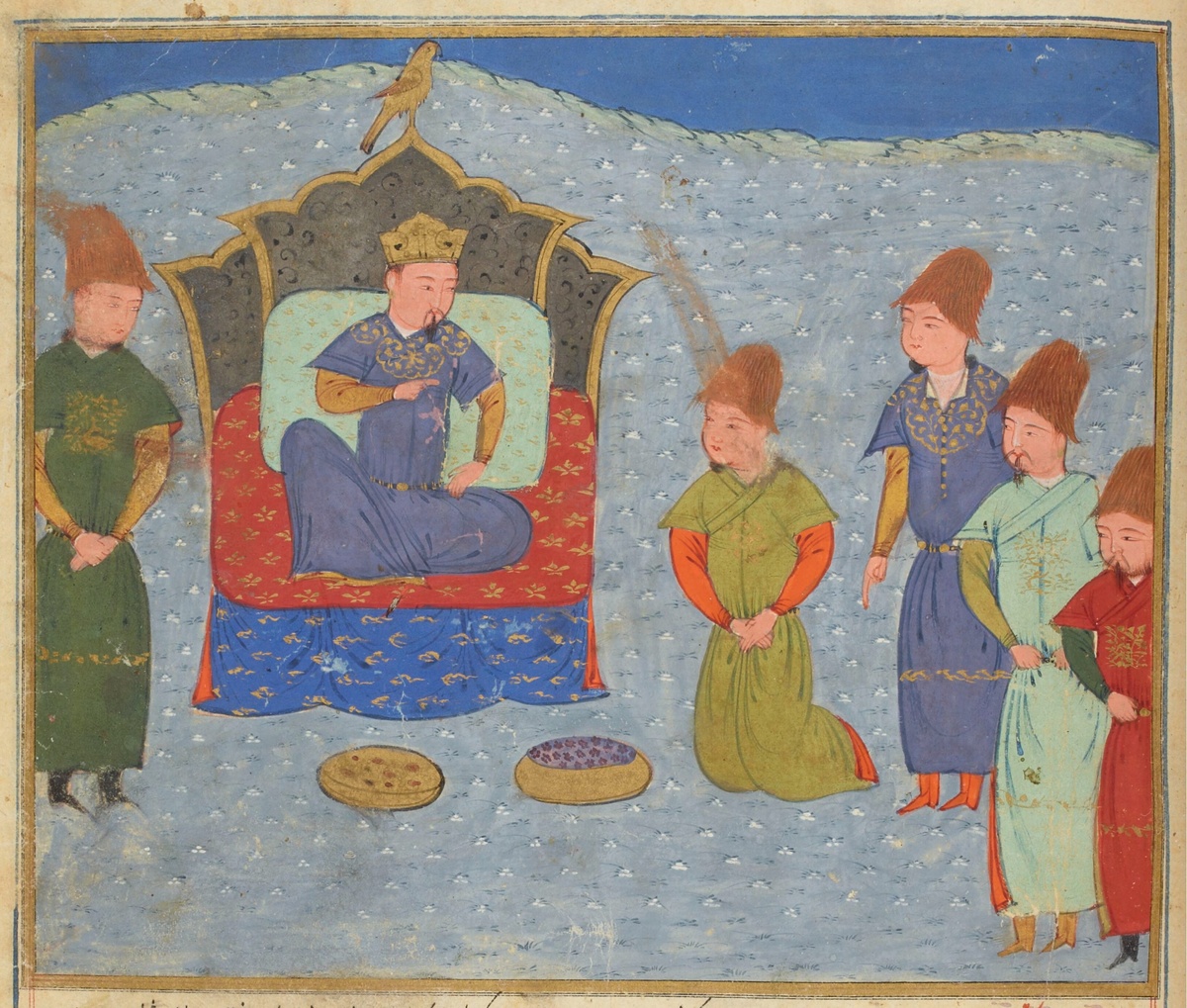
In contrast, Batu’s eldest son, Sartak, was considered a far more energetic man. He proved himself both as a military commander and as an administrator. At the time of his father’s death, Sartak was on his way to the capital of the Mongol Empire—Karakorum. There, the new Great Khan, Möngke Khan, officially confirmed his claim to power in the Horde. But fate had other plans: on the return journey, Sartak died unexpectedly, never having had the chance to ascend the throne.
For many influential people in the steppe, this turned out to be a fortunate turn of events. In those days, the suspiciously frequent deaths of rulers following visits to the Great Khan’s court did not particularly surprise anyone.
After a series of unexpected events, power in the Horde passed to one of Batu’s brothers—Berke Khan. He was the son of Jochi and the younger brother of Batu, born around the beginning of the 13th century. His name translated from Mongolian as “difficult” or “hard”—perhaps a reference to the difficult birth he endured.
Berke’s political career began quite early. In 1229, he was already participating in the kurultai where the question of Genghis Khan’s successor was being decided, and he supported the election of Ögedei Khan. A few years later, it was Berke, along with numerous relatives, who found himself among the leaders of the Mongol army’s grand western campaign under Batu’s command.
During this campaign, he operated in the North Caucasus, pursuing the remnants of the Polovtsian tribes. His troops then moved further west, all the way to the borders of Hungary. Berke also participated in the famous Battle of Szajó in 1241, where the Mongol army dealt a crushing defeat to the Kingdom of Hungary.
Following the death of Ögedei and the political crises in the Mongol Empire, Berke traveled to Karakorum on multiple occasions as a representative of the Jochi clan. It was he who played a key role in ensuring that Munkhe ascended to the throne of the Great Khan.
On his return journey from Mongolia, Berke encountered a caravan of merchants from Bukhara. His interactions with them had a profound influence on him: the khan became the first of Genghis Khan’s descendants to convert to Islam. This step significantly altered the political orientation of the Golden Horde.
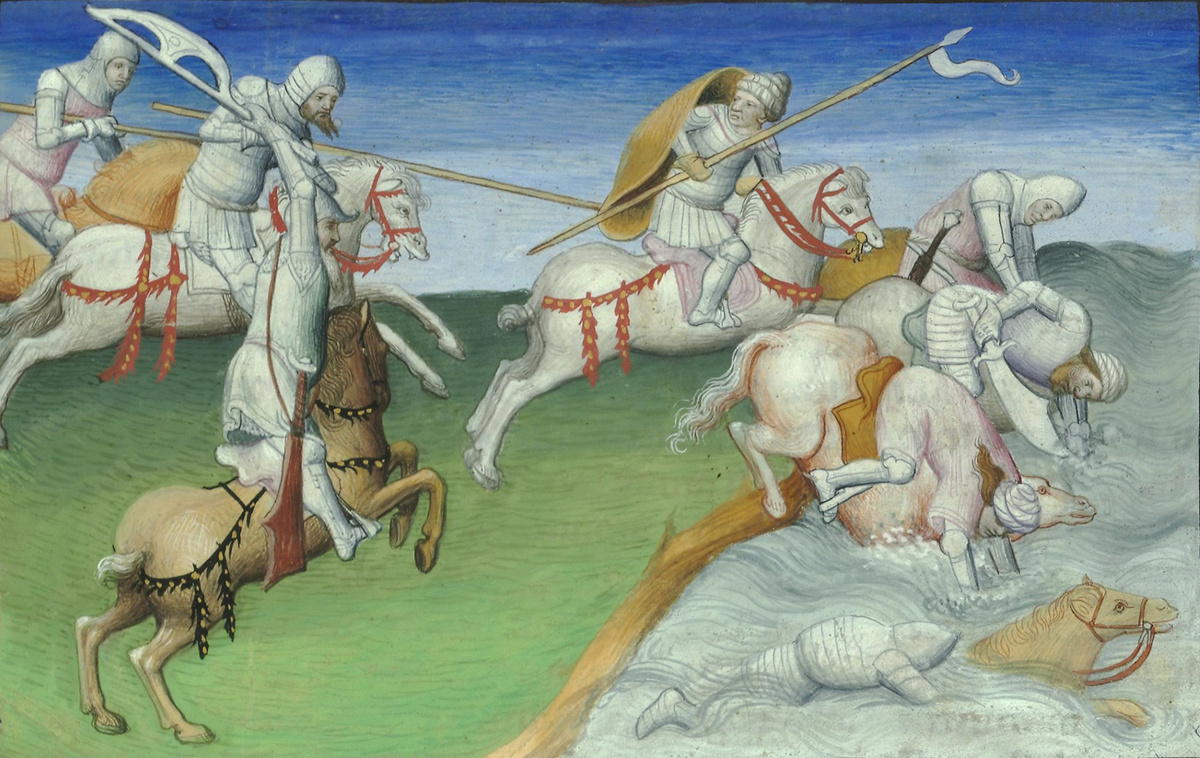
When Berke finally ascended the throne in 1257, his reign proved to be quite active. The Mongols suppressed the resistance of Prince Daniel of Galicia, conducted large-scale censuses in the Russian lands, maintained an alliance with Alexander Nevsky, and launched campaigns into Poland, Bulgaria, and Byzantine Thrace. It was during his reign that construction began on the Horde’s new capital—the city of Sarai-Berke.
But it was not this that brought the khan true fame, but rather a conflict with his own relatives. The cause was the division of the territories of the former Mongol Empire. The Middle Eastern possessions went to the ruler of Iran—Hulagu Khan. At the same time, the rich lands of Azerbaijan, claimed by the line of Jochi, fell under Hulagu’s rule.
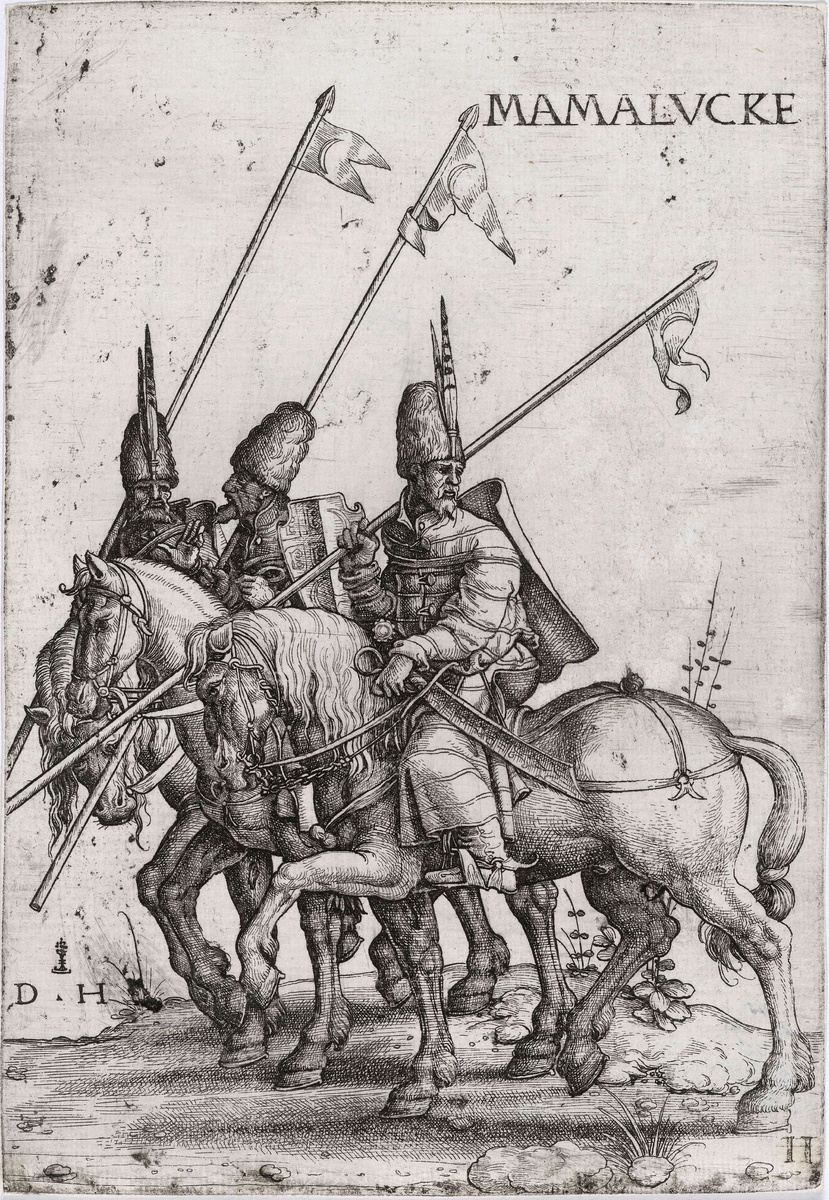
When Hulagu’s troops captured and destroyed Baghdad—the capital of the Abbasid Caliphate, where Caliph Al-Musta’sim perished—Berke perceived this as a blow to the Muslim world. He formed an alliance with the Egyptian Mamluks and launched a war against his own Mongol relatives.

In 1262, the Golden Horde’s forces attacked the Hulaguid territories. This marked the first major war between the states founded by Genghis Khan’s descendants. The conflict proved fateful: it was this war that effectively split the vast empire into separate parts.
In the years that followed, numerous battles took place in the Caucasus, but the borders remained virtually unchanged. However, the main outcome was already clear: the Golden Horde had definitively ceased to be subordinate to the Great Khan and had become an independent state.
The irony of history is that the man who was the first of the Chingizids to convert to Islam and who tried to protect the interests of his dynasty actually became the ruler under whom the unified Mongol Empire began to disintegrate. That is precisely why Berke is remembered not simply as a khan—but as a ruler who dared to raise his sword against his own empire.