
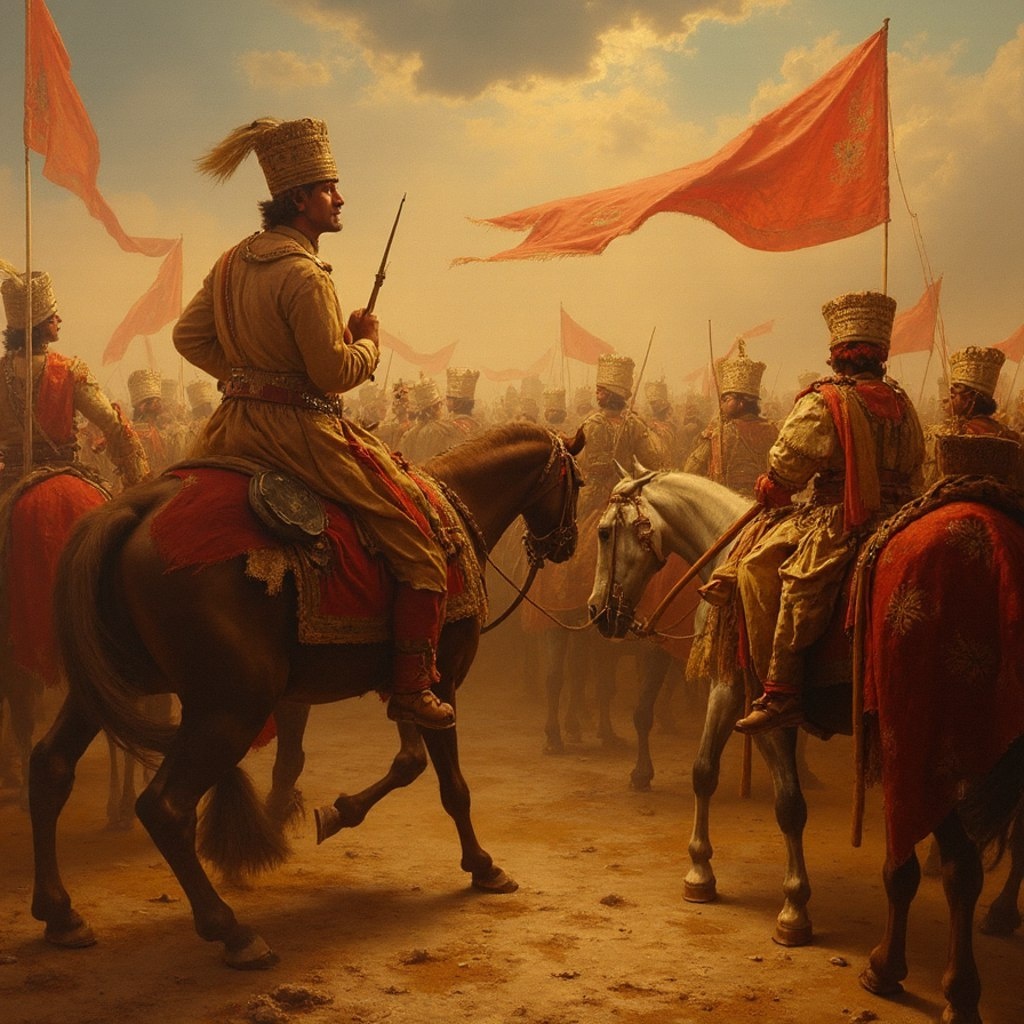
The Seljuks defeated the Arab East with a Turkic battle strategy and weapons. And they became a surprise for the crusader knights of the Holy Land. The formidable Turks struck fear into everyone. How and with what did the Seljuks fight?
Army
The Seljuk caliphates had small armies. The strongest Zangid caliphate in Mosul could field 6,000 — 6,500 sabers. And the sultanate in Asia Minor has no more than 15,000 regular troops. The Seljuk armies consisted of 3 parts: Gaziz, Gulyama, and Iglishi.
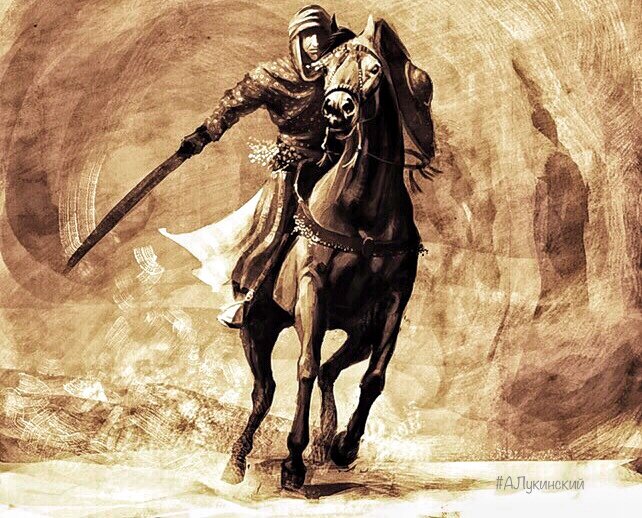
Allied Bedouin tribes joined the Turks
Gazizy
Almost the entire army of the Seljuk caliphates in the XI-XII century was mounted. The ancient core of the horde was the tribal cavalry of the Turkmen tribes. In light armor, with small shields, spears and sabers, she is the fastest and most enduring of all. Armed with compound bows, the light Turks were inferior in range and penetration to the Arabs, but they compensated with their rate of fire and maneuver.
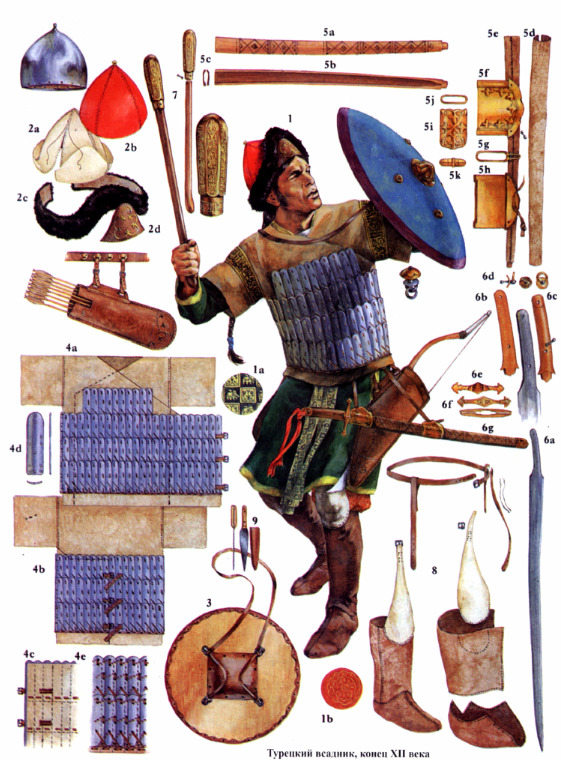
Gaziz is armed with a mace, a saber and a bow. His felt armor is reinforced with plates and a small shield.
After the creation of the Seljuk Empire, the great sultans sent undisciplined tribal cavalry to the outskirts. She was named gaziza – religious border guards. A large number of Gaziz have accumulated on the western outskirts — in Syria and Asia Minor.
With the collapse of the empire and the arrival of the Crusaders to the East, the mounted Turks-Gaziz settled in the Seljuk caliphates. Bedouin allies joined the Gaziz.
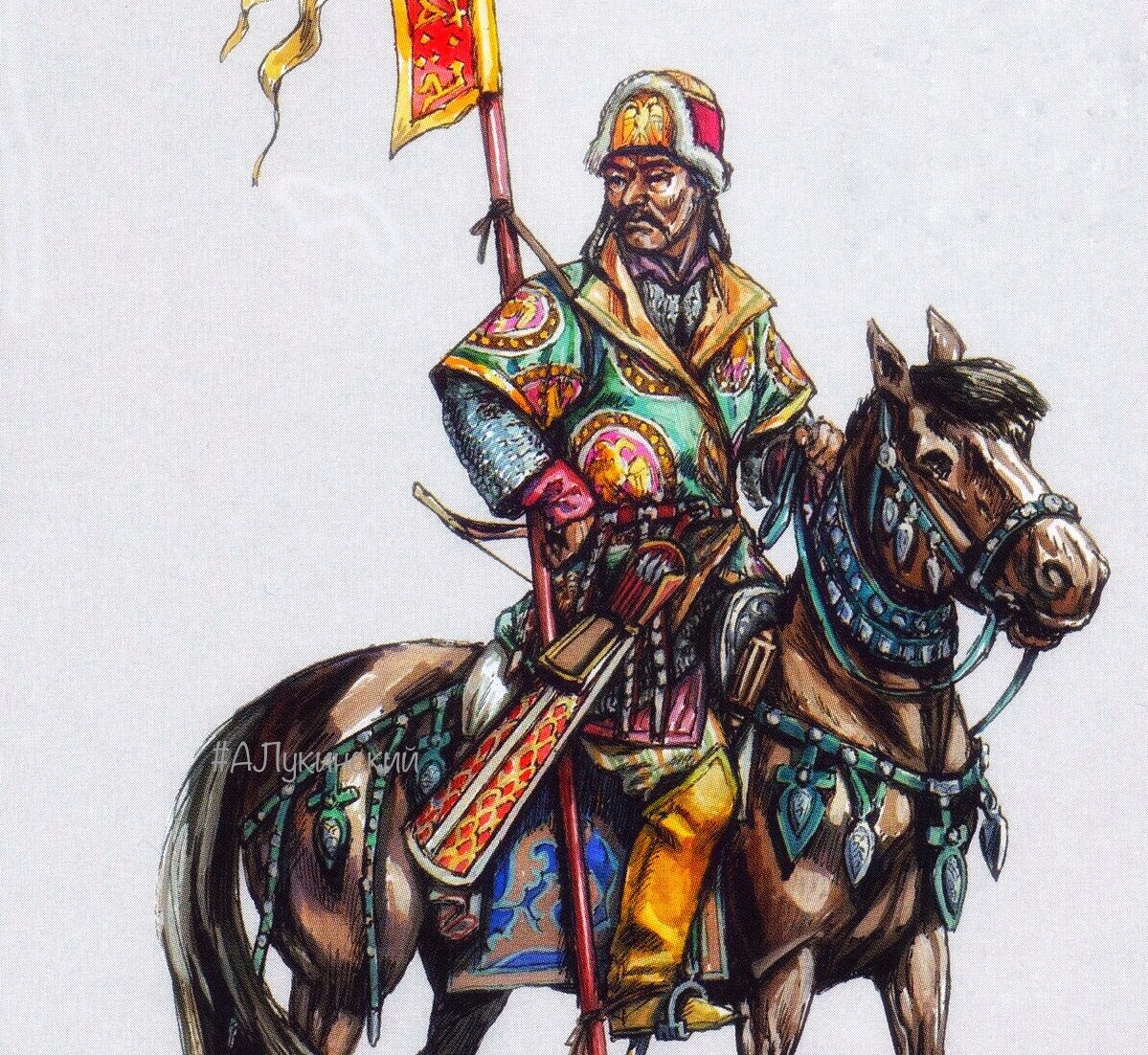
This gaziz standard-bearer is reinforced with a short chain mail on a quilted robe.
Iglishi
The Atabeks and Seljuk sultans distributed iqtu (land) to the minor nobility. Each iksha (landowner) fielded an iglishbashish, a detachment of medium cavalry from the locals. It is a motley militia of Byzantines, Turks, Arabs, Armenians and Kurds. They were joined by detachments of religious volunteers and mercenaries. Iglishi played a supporting role.
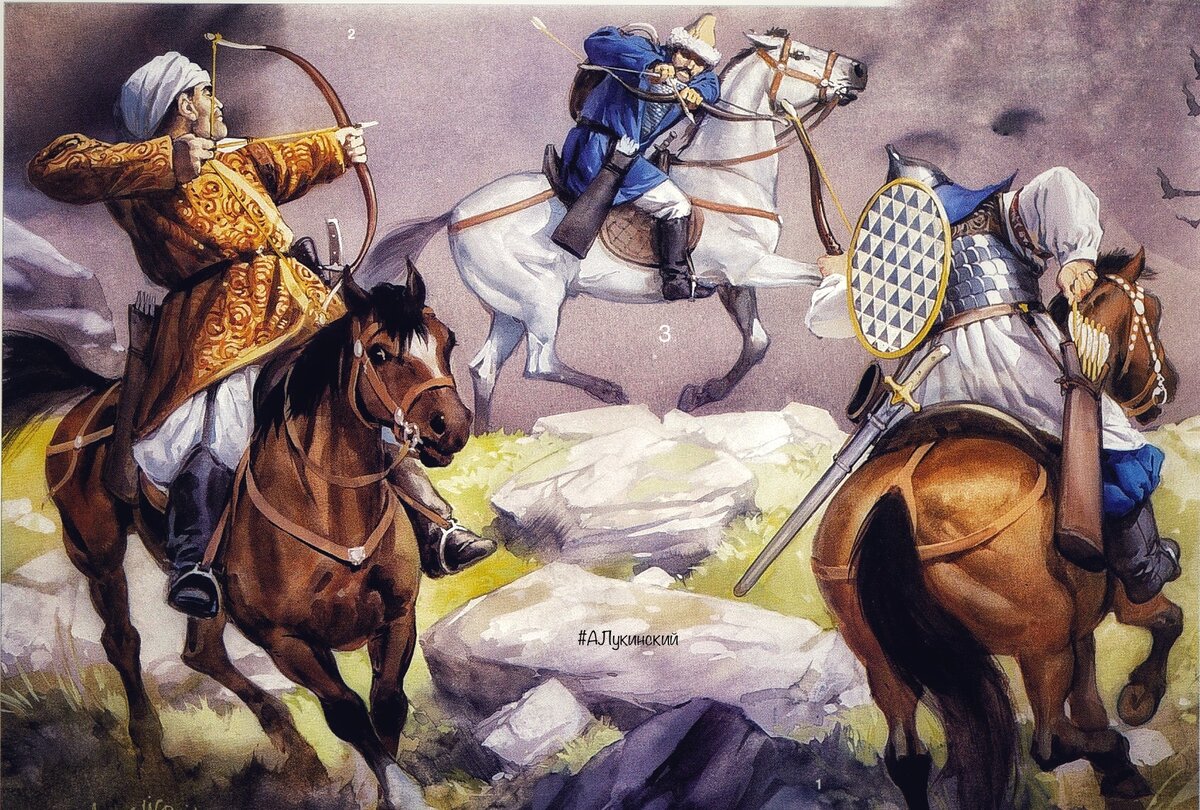
Iglishi: 1. Armenians were hired by everyone. There were many Arabs (2) as well as Turks (3) in the caliphates
Gulams
The most numerous striking force of the Seljuk Turks were slaves. The Turks brought the culture of slave armies to the East. Men and children were bought up in the slave markets, uniformly equipped and trained. The Ghulams formed heavy professional cavalry and were equally proficient with the heavy bow, spear, and blade.
The elite guard of the Atabeks were the Khass Gulams, the toughest and most armored. The career of a slave was based on seniority. In the 1st year, Gulyam served as an infantryman in the garrison. And in the 7th year, if he was alive and well, he became a visak-bashi and commanded three gulams.
Battle Strategy
The mounted Seljuks practiced rapid marksmanship. Due to the insufficient penetration of the Turkish bows, the Turks quickly shortened the distance in order to get as close as possible.
In 2.5 seconds, the mounted Seljuk fired 5 arrows. After shooting them, the Turk took five more from an open quiver. The European archer fired 1 arrow in 5 seconds.
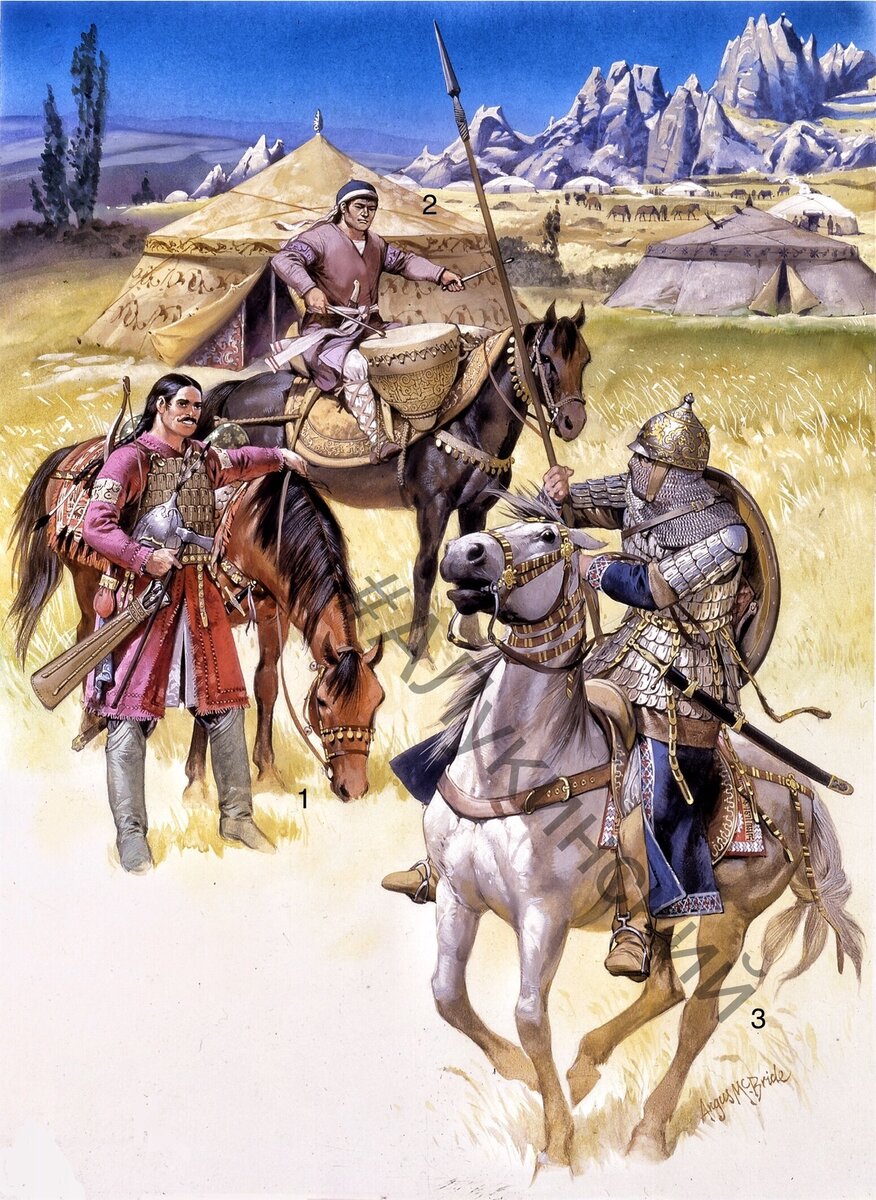
Many Seljuks of the Mediterranean continued to roam in tents. 1-Gaziz in a leather plate armor with a riveted helmet. 3-Atabeka guardsman khass-ghulam in gilded armor and a disguise on his face. 2-The drummer is dressed in a Turkic-Iranian costume with a felt hat and a heavy cloth caftan
The Turks attacked the Crusaders from ambushes and hiding places. The waves of gaziz turned at the last second and flooded the enemy with arrows, replacing each other.
The heavy ghouls closed in, and standing up, fired volleys at the squares. Such a massive bombardment broke the enemy’s formation, provoked a chase or created gaps for a strike. The Muslims were not afraid of hand-to-hand combat. Even the light gazizas were willing to fight with the knight squads. Especially the Ghulams or the heavy Arab cavalry, who were able to attack with a spear wedge.
However, being inferior to the knights in skill and armor, the Muslims tried to strike at the flank or from the rear. If possible, surround them with a shooting ring…
Armament
From the 11th to the 13th century, Muslims used flexible armor — leather or quilted with or without iron plates. Heavy cavalry combined them with chain mail, chain mail is the main armor of the East. They differed from the Europeans in the quilted-felt protection of horses and face protection due to the dominance of shooters.
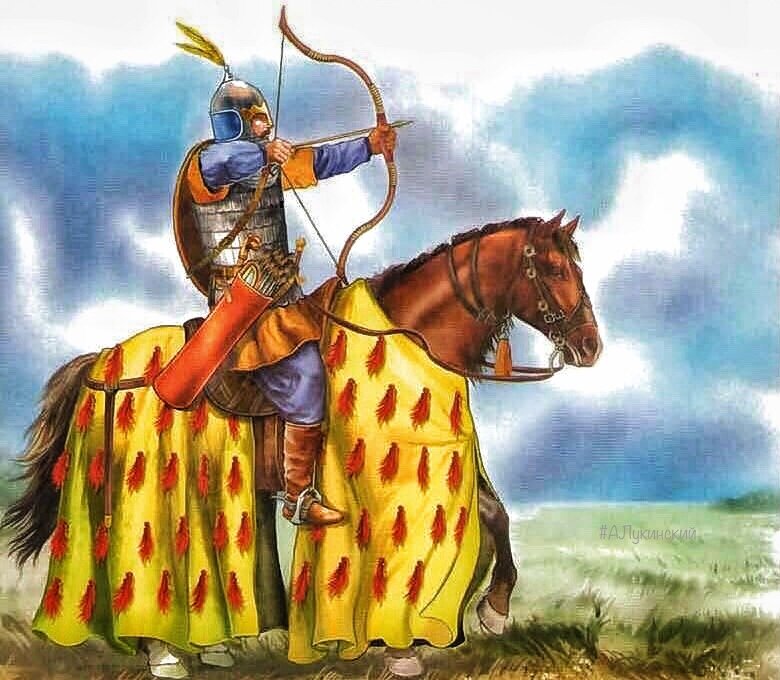
Walking with quilted horse protection from arrows
The Seljuks brought the Turkic saber to the East, it will quickly replace the straight Arab sword. The second weapon of Islam was a mace for breaking armor, and it will soon reach Europe. The spear was loved as everywhere else, although the Turks preferred bows.
In general, the level of armaments, technologies and the quality of the manufacture of weapons of the ancient East was far ahead of the dense West. Europe will copy many of the weapons of Islam. But she will have her own trump cards — solid armor, knights and a crossbow.